Akihabara and Nakano: anime, figures, retro games and used cameras in one day
Akihabara and Nakano are the two places in Tokyo where collectors go hunting. Akihabara is the big, loud one: whole buildings of anime goods, figures, games and electronics. Nakano Broadway is a single ageing shopping complex packed with tiny specialist shops, quieter and in many ways deeper. They sit on the same train line, so it is easy to do both in a day, and both are mostly indoors, which makes them a good choice for a rainy day.
Akihabara
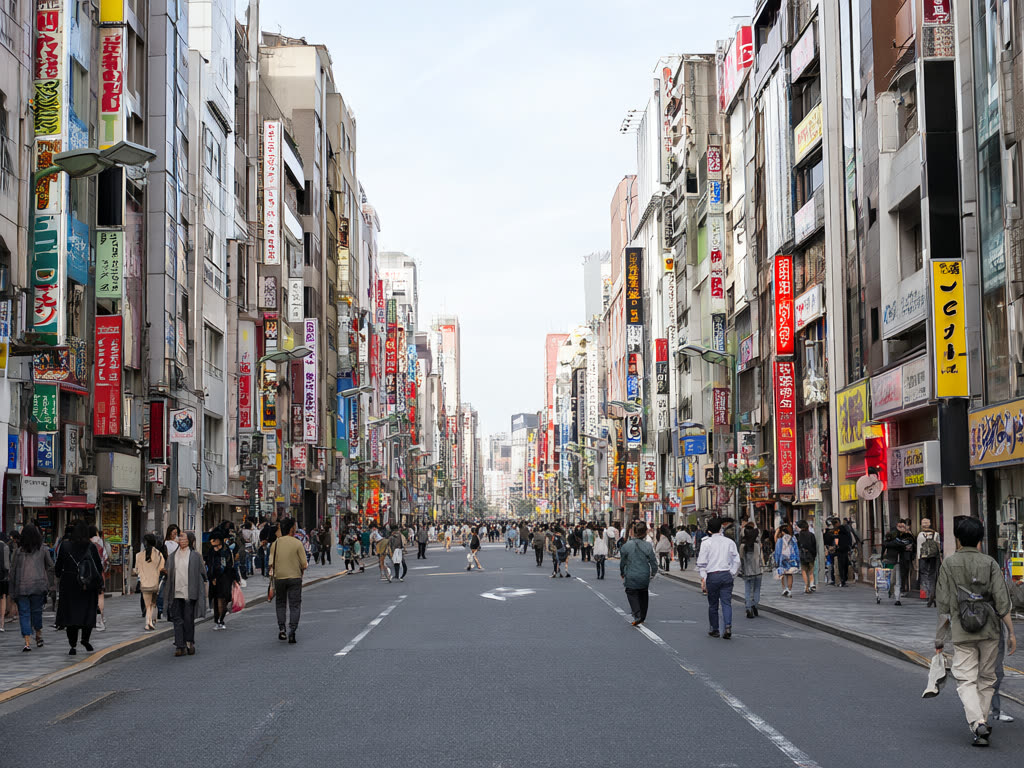
Akihabara Station is served by the JR Yamanote, Keihin-Tohoku and Chuo-Sobu lines, the Hibiya subway line and the Tsukuba Express. Leave by the Electric Town exit. The main street, Chuo-dori, runs north to south through the area, lined with large stores for anime, games, hobby goods and electronics. The more interesting shops are often in the side streets and upper floors of narrow buildings, so look up as well as along.
Radio Kaikan
The Akihabara Radio Kaikan building, right by the station, is a good first stop. It was rebuilt and reopened in 2014 and now holds around ten floors of separate shops: figures, model kits, trading cards, doujinshi and second-hand collectables. Each shop sets its own hours, and some on the upper floors open later than others, so do not expect everything to be open at 10:00. Check the building's site for the current floor guide.
Retro games
Retro game shops are spread through the backstreets on the west side of Chuo-dori. A few names you will see in most guides:
- Super Potato: several floors of old consoles and boxed games, plus a small play area with retro cabinets. Well known, and priced accordingly.
- Surugaya: a large second-hand chain with branches in the area; good for comparing prices on common titles.
- BEEP: smaller, in a basement, focused on old Japanese home computers and related items.
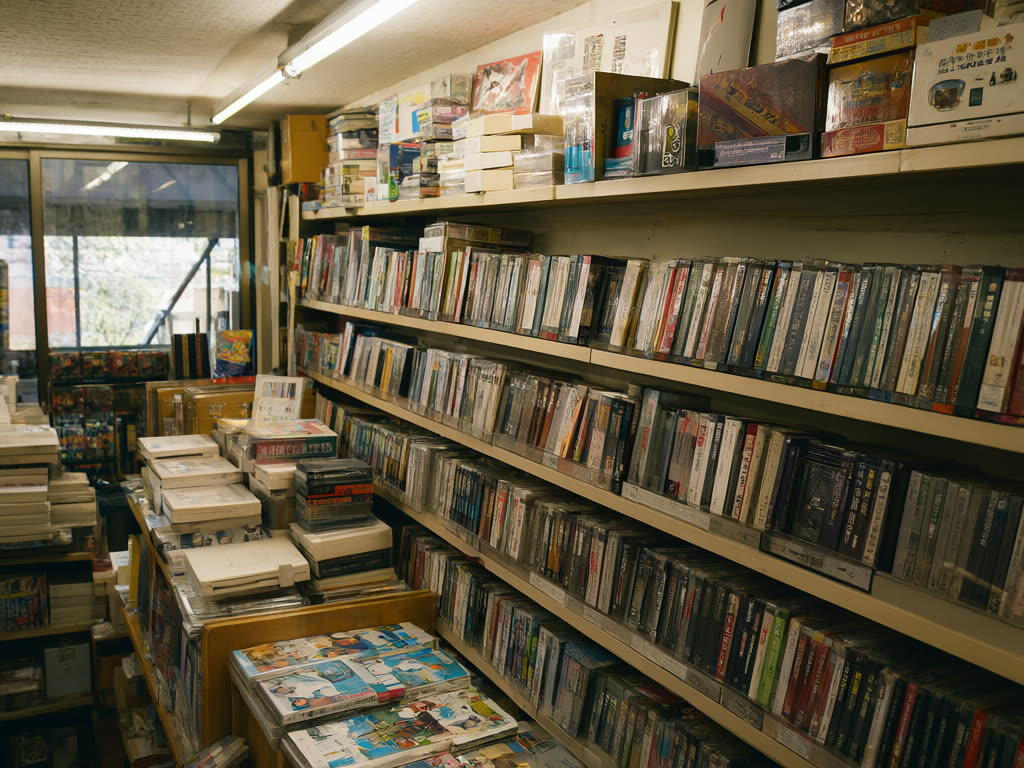
Prices for the same game can differ a lot between shops. Note what you want, compare two or three places and only then buy. Japanese consoles are region-locked or use different video standards in many cases, so check that what you buy will run on your setup at home.
Maid cafes
Staff in costume hand out flyers for maid cafes along the main street. These are themed cafes with a seating charge, set menus and rules about photography; prices and rules are usually explained when you sit down. If you go, pick one from its own website rather than following someone from the street, and read the price list before ordering.
The Sunday pedestrian zone
On Sundays, Chuo-dori is closed to cars between the Sotokanda 5-chome and Manseibashi intersections, about 570 metres. According to the official Akihabara site it runs from 13:00 to 18:00 from April to September and 13:00 to 17:00 from October to March, and it is cancelled in rain, strong wind or other bad weather. It is a pleasant time to walk the main street, though shops are at their busiest.
Nakano Broadway
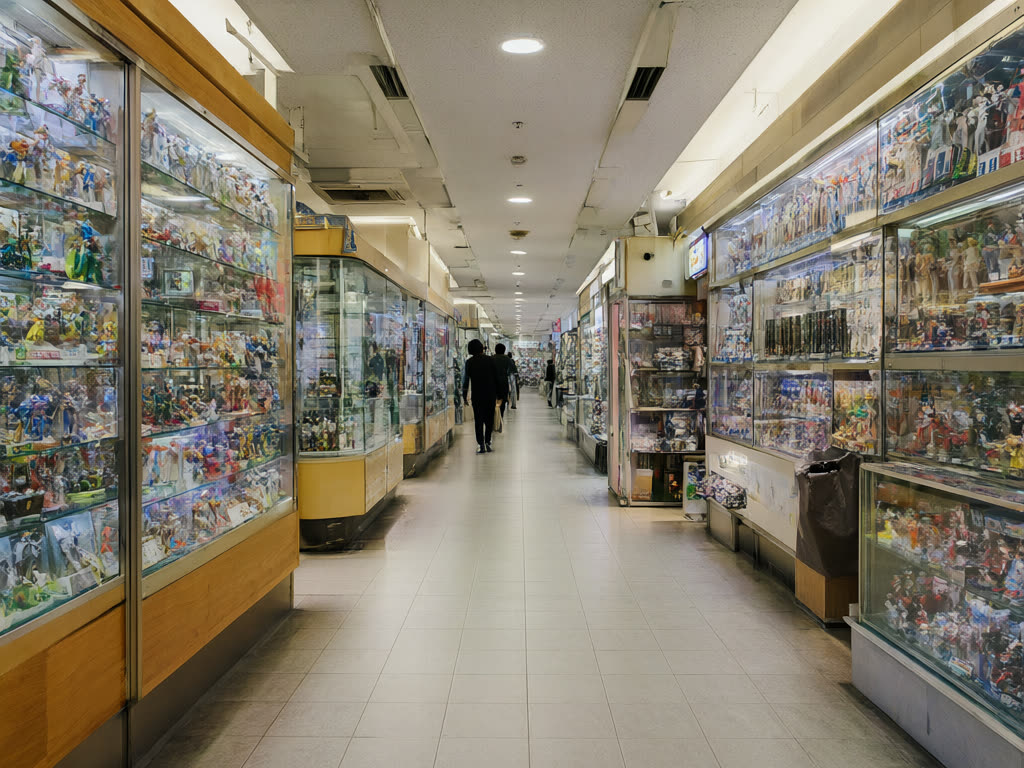
Nakano Broadway is a 1960s complex five minutes on foot from the north exit of JR Nakano Station, at the end of the covered Nakano Sun Mall shopping street. The basement and ground floor are ordinary shops and food; the second to fourth floors are where the collector shops are; the floors above are apartments.
The best-known tenant is Mandarake, which runs many small shops across these floors, each devoted to one thing: manga, figures, vintage toys, cel art, idol goods, cosplay and more. Around them are independent shops for watches, trading cards, model trains, old toys and very niche books.
Timing matters here. The building itself opens in the morning, but many hobby shops do not open until around noon, and closing days vary from shop to shop. Wednesdays are a common day off for some shops, and the whole building closes for one day in February for an electrical inspection. Arrive after 12:00 and check the shops you care about before you go.
Used cameras
Tokyo is one of the best cities anywhere to buy second-hand cameras and lenses, and you can fit the main areas into the same day.
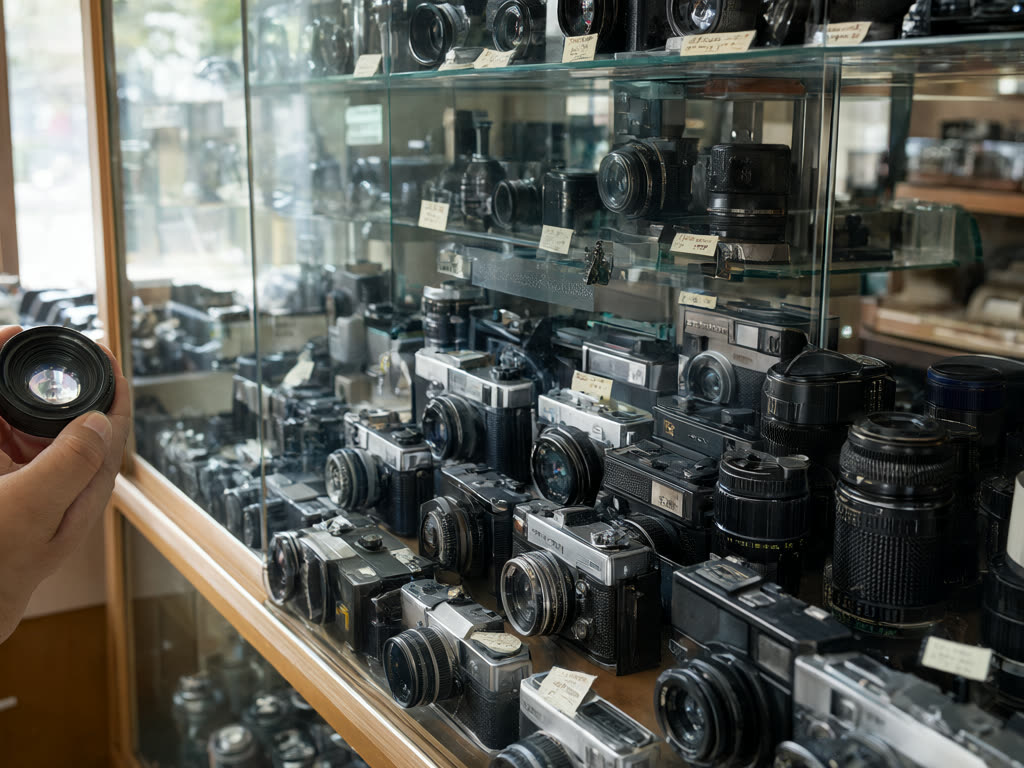
- Nakano. Fujiya Camera is a few minutes' walk from Nakano Station's north exit. It sells new and used gear and is known for its large used stock and its separate shop for low-priced "junk" items and accessories. Listings give hours of roughly 10:00 to 20:30 for the main store; check before you go.
- Shinjuku. The area around the west exit has the biggest cluster: Map Camera, with floors organised by brand, Kitamura, plus smaller dealers specialising in film cameras and older lenses. Some small shops are cash only.
- Ginza. A handful of long-running shops near Ginza Station deal in classic and high-end cameras, especially rangefinders and imported brands, many on consignment. Expect higher prices and careful staff.
How to check condition
- Read the grade, then ignore it. Each shop uses its own scale, so the same letter or word can mean different things in different shops. Read the small note on the tag: it often lists faults like scratches, haze or dust.
- Ask to look. Staff will take items out of the case for you. Hold a lens up to a light and look through it for haze (a milky cloud), fungus (thin branching lines) and scratches. A few specks of dust are normal.
- Test the camera. Fire the shutter at several speeds, check the aperture moves, the focus ring turns smoothly and the meter responds. Bring a fresh battery if you know which one it takes.
- Ask about the warranty. Larger shops often give a short warranty on used items; "junk" items are sold as-is.
- Do not haggle. Prices are fixed in almost all shops.
Tax-free buying
Many larger stores in both areas are tax-free shops. Until 31 October 2026, the rule is a minimum of ¥5,000 before tax at one store on one day, with your physical passport shown at the till, and the tax is removed at the counter. From 1 November 2026, Japan switches to a refund system: you pay the full price including tax, then complete a customs check at the airport before check-in and get the tax back afterwards through the shop's refund method. Keep receipts and the goods together, because everything on a receipt has to leave with you. Small independent shops often are not tax-free and may take cash only.
A plan for a half or full day
The JR Chuo-Sobu local line runs directly between Akihabara and Nakano in about half an hour with no change. For a faster trip, change at Ochanomizu to the Chuo rapid line.
Half day. Start in Akihabara around 11:00 with Radio Kaikan and the retro game streets, have lunch, then ride to Nakano and spend the afternoon on Broadway's second to fourth floors once the shops are open. Finish at Fujiya Camera.
Full day. Add Shinjuku's camera shops on the way back, since the Chuo line stops there, or go the other way and add Ginza in the morning. On a Sunday, time your Akihabara visit for the pedestrian zone in the afternoon.
Bring a tote bag, some cash and a list of prices you have already looked up. More: Tokyo shopping, Shinjuku at night, Tokyo trains and IC cards.
Compare prices before you pay
The same figure or lens can sit in three shops at three prices. Look up the going rate, translate a condition label with your camera and check a shop's hours before you cross town. Install your eSIM before you fly and you can do it standing at the glass case.
Japan eSIM from ¥480