Tokyo trains for first-timers: Suica, PASMO and getting from the airport
Tokyo's trains are fast, clean and punctual, and the map still looks impossible on day one. The good news is that you only need to understand three things: who runs which line, how to pay without buying a ticket every time, and when not to ride.
Fares and pass prices below were checked in October 2026. They change from time to time, so confirm on the operator's official site before you buy.
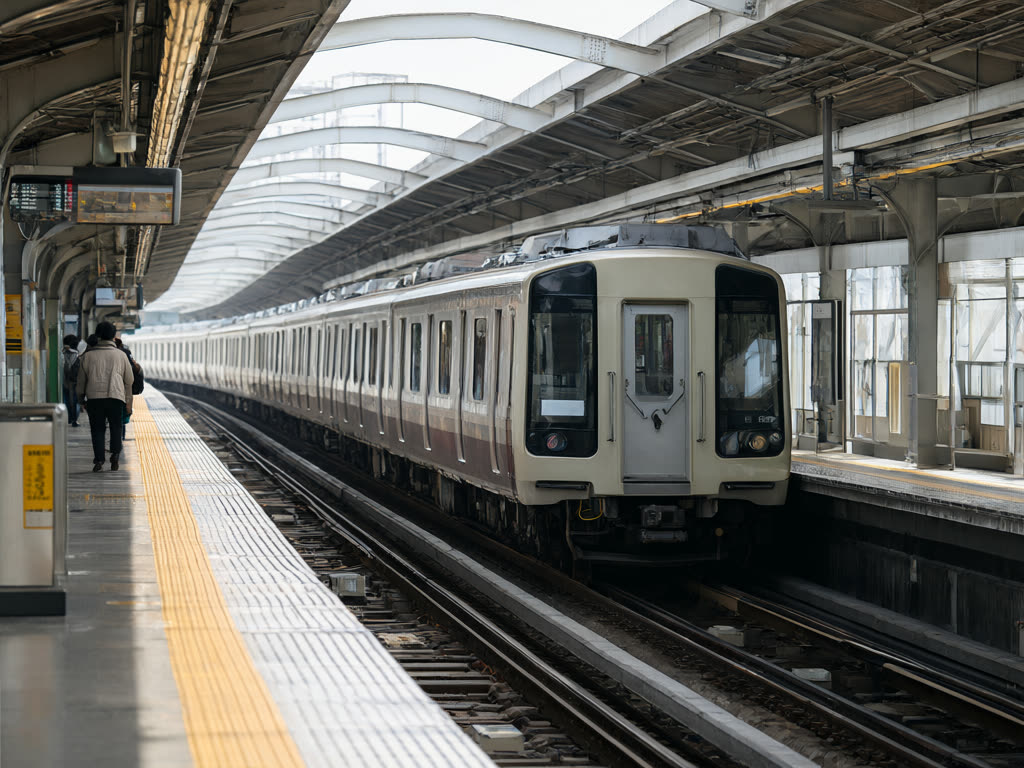
Who runs what: JR, subway and private lines
Tokyo's network is run by several companies, and that matters for passes, not for everyday travel.
- JR East runs the green Yamanote loop line that circles central Tokyo, the Chuo Line across the city, and lines out to the suburbs, Narita and Kamakura.
- The subway is two companies: Tokyo Metro (nine lines) and Toei (four lines). Together they cover the centre in far more detail than JR.
- Private railways such as Odakyu, Tobu, Keio, Keisei and Keikyu run from the big terminals out to the suburbs and day-trip spots.
Changing between companies usually means passing through a second set of ticket gates, and the fare is a little higher than staying on one company's lines. With an IC card you do not need to think about this: you tap in and tap out, and the right fare comes off.
Suica and PASMO: the only ticket most visitors need
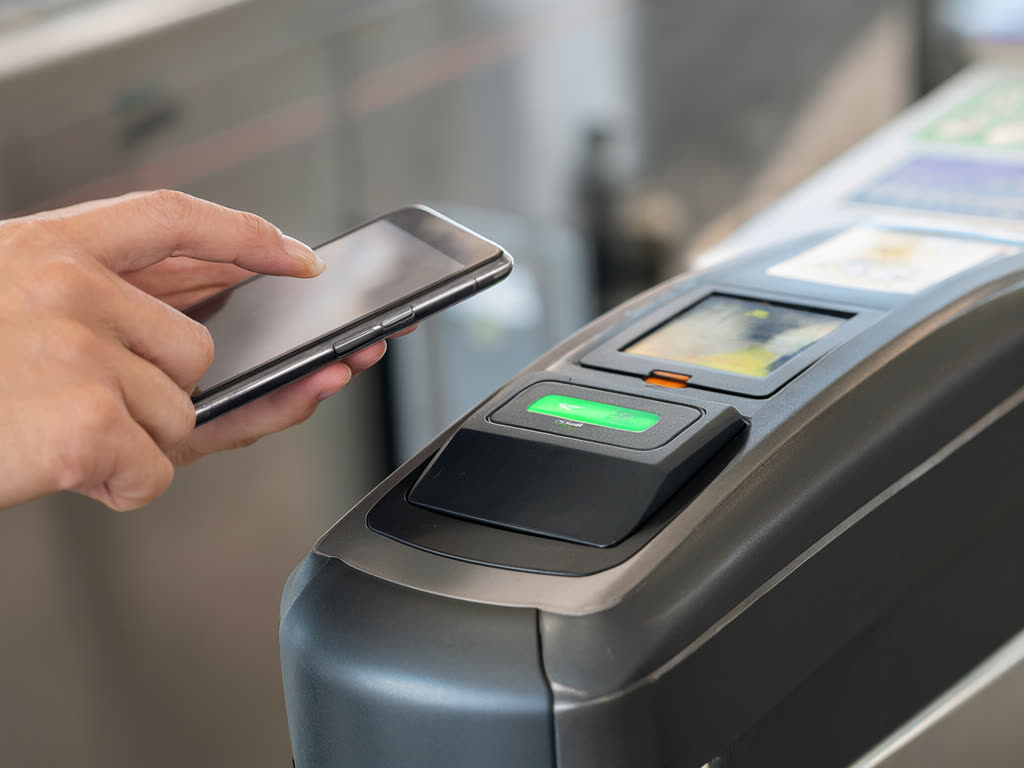
Suica (from JR East) and PASMO (from the private railways) are rechargeable IC cards. For a visitor they are effectively the same: both work on every train, subway and most buses in Tokyo, and in convenience stores, vending machines and many shops. You touch the card on the gate reader going in and coming out.
On an iPhone
If you have an iPhone, you can add a Suica or PASMO to Apple Wallet and skip the plastic card entirely. Two routes:
- Apple Wallet directly. Open Wallet, add a transit card, choose Suica or PASMO, and top it up with a card in Apple Pay.
- Welcome Suica Mobile. JR East's app for overseas visitors issues a Suica on your iPhone without registration and adds tourist information. It also sells some reserved-seat tickets for JR East trains.
Set up Express Mode for the card in Wallet and you can tap the gate without unlocking the phone. If your foreign card is declined when you top up in the app, you can add cash at a convenience store register by asking for a Suica charge, or at many station machines that support mobile cards.
Most Android phones sold outside Japan do not have the chip that Suica and PASMO need, so Android users should get a physical card.
Physical cards
Ticket machines at major stations sell Suica and PASMO cards, including versions for short-term visitors. At the airports you will also find the Welcome Suica card, sold to visitors. Short-term cards usually have no deposit but cannot be refunded, so do not load more than you will spend. Top up at any ticket machine with cash.
How much to load. A typical sightseeing day in central Tokyo uses ¥600 to ¥1,200 in fares. Start with ¥2,000 to ¥3,000 and top up when the gate display shows a low balance.
Is the Tokyo Subway Ticket worth it?
The Tokyo Subway Ticket gives unlimited rides on all Tokyo Metro and Toei lines for 24, 48 or 72 hours from first use. Adult prices are ¥1,000, ¥1,500 and ¥2,000. It is sold to overseas visitors and to Japanese residents from outside the Tokyo region.
It does not cover JR, so the Yamanote Line, the trip to Shinjuku from many hotels and the airport trains are extra. A short subway ride costs a little under ¥200 with an IC card, so the 24-hour ticket pays off at around five or more subway rides in a day. That is realistic on a busy sightseeing day based near a subway line, as Asakusa is. If your hotel is on the Yamanote Line and you will mostly ride JR, just use your IC card.
Is the JR Pass worth it for Tokyo?
For a trip that stays in Tokyo, almost never. The nationwide 7-day pass rose to ¥53,000 in October 2026 (the official site has been selling at the earlier ¥50,000 price for a limited period, so check there). It does not cover the subway, and JR fares inside the city are usually a few hundred yen per ride. You would need to cover long-distance trips to Kyoto, Osaka or further to make it pay. For day trips from Tokyo like Hakone or Nikko, the private railways' own passes are usually cheaper.
Rush hour: when not to ride
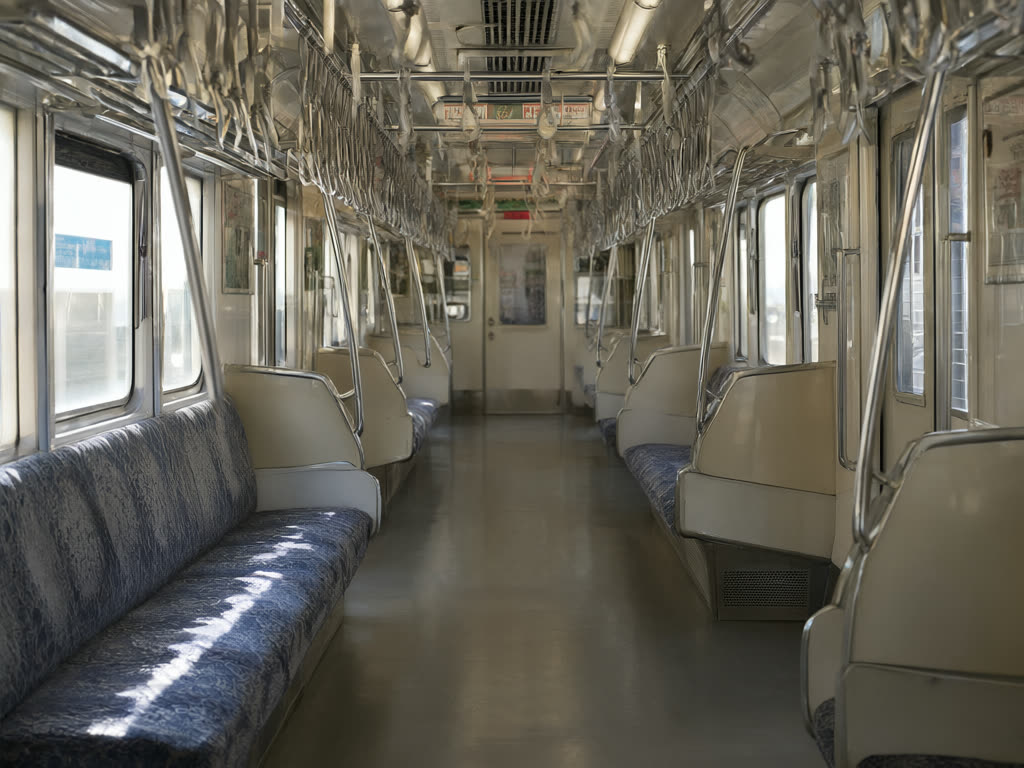
Weekday mornings from about 7:30 to 9:30 are the most crowded time on Tokyo's trains, especially on lines heading into the centre. Evenings from about 17:30 to 19:30 are busy too, though less intense. If you are sightseeing, start after 9:30 and you will usually get a seat.
A few habits locals follow:
- Queue at the marked lines on the platform and let people off first.
- Take a backpack off and hold it in front of you or put it on the rack.
- Keep phone calls off; talking quietly is fine.
- Many lines have women-only cars during the morning rush, marked on the platform and the car.
Large suitcases are a problem at rush hour. If you arrive on a weekday morning, consider a later train or a bus to your hotel.
Getting in from the airports
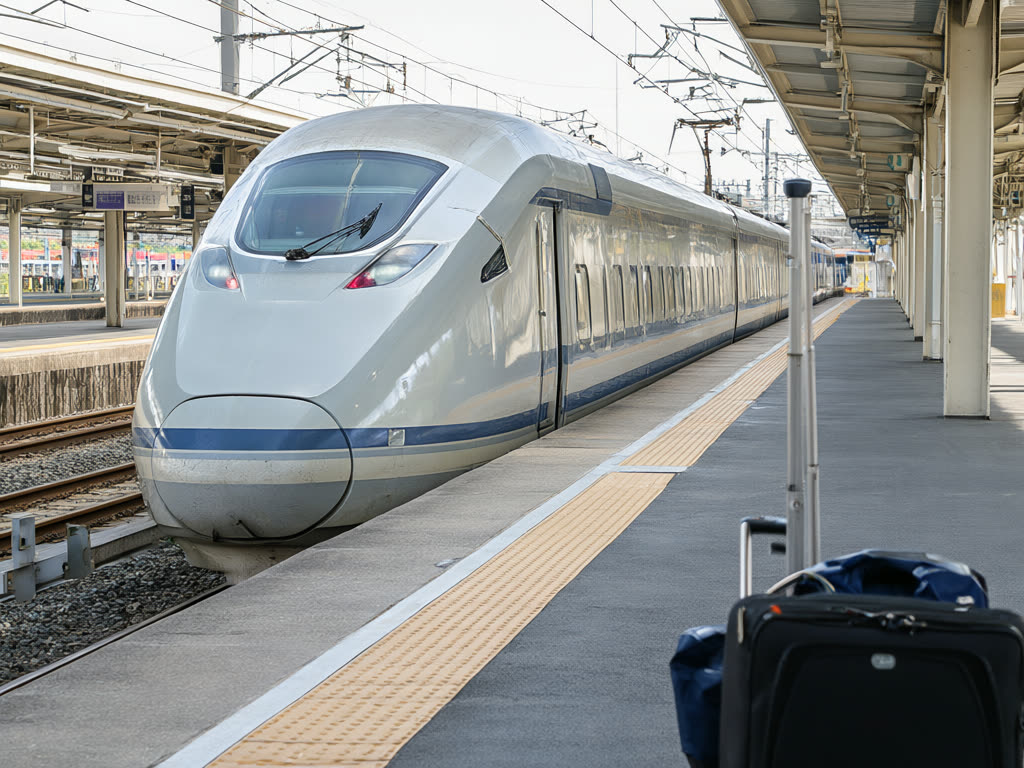
From Narita
Narita is about 60 km from central Tokyo, so the choice of train matters.
- Keisei Skyliner to Nippori and Ueno in about 40 to 45 minutes, around ¥2,500 to ¥2,600 one way and a little less if bought online in advance. Good for Ueno, Asakusa and the north and east of the city.
- Narita Express (N'EX) to Tokyo Station in about an hour, continuing to Shinagawa, Shibuya and Shinjuku. Around ¥3,000 to ¥3,300 one way. Covered by the JR Pass.
- Keisei Access Express is the budget option, roughly ¥1,300 with an IC card. Many trains run straight through to Asakusa and Nihombashi without a change, which makes it handy for our neighbourhood if you are not in a hurry; allow about an hour.
- Airport buses go to major stations and hotels; useful with heavy luggage.
From Haneda
Haneda is much closer, and both rail options take under half an hour to the centre.
- Keikyu Line to Shinagawa in under 20 minutes for a few hundred yen. Many trains continue straight onto the Asakusa subway line to Higashi-Ginza, Nihombashi and Asakusa.
- Tokyo Monorail to Hamamatsucho, where you change to the Yamanote Line. Similar price and time.
Both take Suica and PASMO, so you can buy or set up your IC card on arrival and tap straight through.
Last trains and night travel
Most lines stop around midnight to 0:30 and restart around 5 am. Taxis are plentiful but expensive late at night, with surcharges after 22:00. If you are out in Shinjuku or Shibuya, check your last train before you order the last round; our Shinjuku night guide has more on that.
A simple plan for your first day
- Set up Suica or PASMO on your iPhone before you leave home, or buy a card at the airport.
- Ride into the city on the Skyliner, Keisei or Keikyu depending on where you are staying.
- Use a route app for every journey. It tells you the platform, the best car for your exit and the fare.
- If the day is heavy on subway lines, buy a 24-hour Tokyo Subway Ticket; otherwise just tap your card.
Route apps need mobile data, and station Wi-Fi often requires a sign-up. If you are still choosing how to get online, our guide to Japan eSIMs covers how much data a trip like this uses.
Route planning needs data
Tokyo's train map makes sense once a route app tells you which exit, which car and which platform. With an eSIM installed before you fly, you can plan your ride from the arrivals hall instead of hunting for Wi-Fi.
Japan eSIM from ¥480