A night in Shinjuku: yokocho alleys, Golden Gai and free city views
Shinjuku after dark is several different places packed into a few blocks: smoky postwar alleys, a district of tiny bars that seat six people each, the biggest entertainment quarter in Tokyo, and a government building with free views from the 45th floor. It is safe to walk around, and a lot of fun, as long as you know a few local rules. This guide covers a full evening, roughly in the order we would do it.
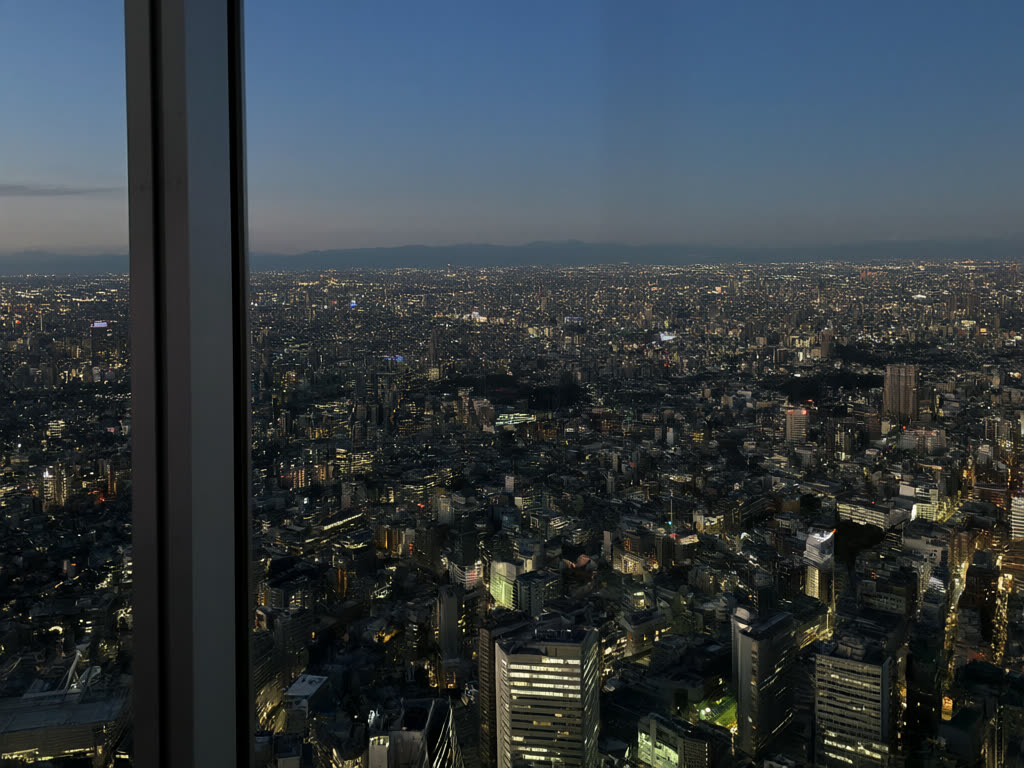
Start high: free views at the Metropolitan Government Building
The Tokyo Metropolitan Government Building in West Shinjuku has two towers, each with an observatory on the 45th floor, around 200 metres up. Entry is free and there is no timed ticket, which makes it the easiest high view in the city. You pass a short bag check, then take a dedicated lift.
According to the Tokyo tourism board, the observatories are open from 9:30 to 22:00, with last entry half an hour before closing. The north and south decks close on different days of the month, so at least one is usually open. Building inspections and the New Year period can close both, so check the official building tour page before making a special trip.
Come just before sunset. On clear days in the colder months you can sometimes see Mount Fuji to the west, and then the city lights come on below you.
After dark, the east wall of the same building becomes a screen for a large projection-mapping show, viewed from the plaza at its foot. It is free, needs no booking, and runs several times each evening except in bad weather. Show times change through the year; the official project site lists the current timetable.
Paid alternatives. Shinjuku also has hotel bars and restaurants on high floors where the view comes with the drink. For an open-air rooftop, Shibuya Sky is one stop away on the JR line; see our Shibuya and Harajuku guide.
Dinner: Omoide Yokocho
Right by the west exit of Shinjuku Station, Omoide Yokocho is a couple of narrow lanes lined with tiny counter restaurants, most of them grilling yakitori and offal skewers over charcoal. It grew out of the black market that formed here after the war, and the lanes still feel like it, with low roofs, red lanterns and smoke drifting along the passage.
Each shop sets its own hours, but evenings are the main event. Go early, between about 5 and 6 pm, to get seats easily; after 7 pm on weekends, popular counters fill and you may need to try several doors.
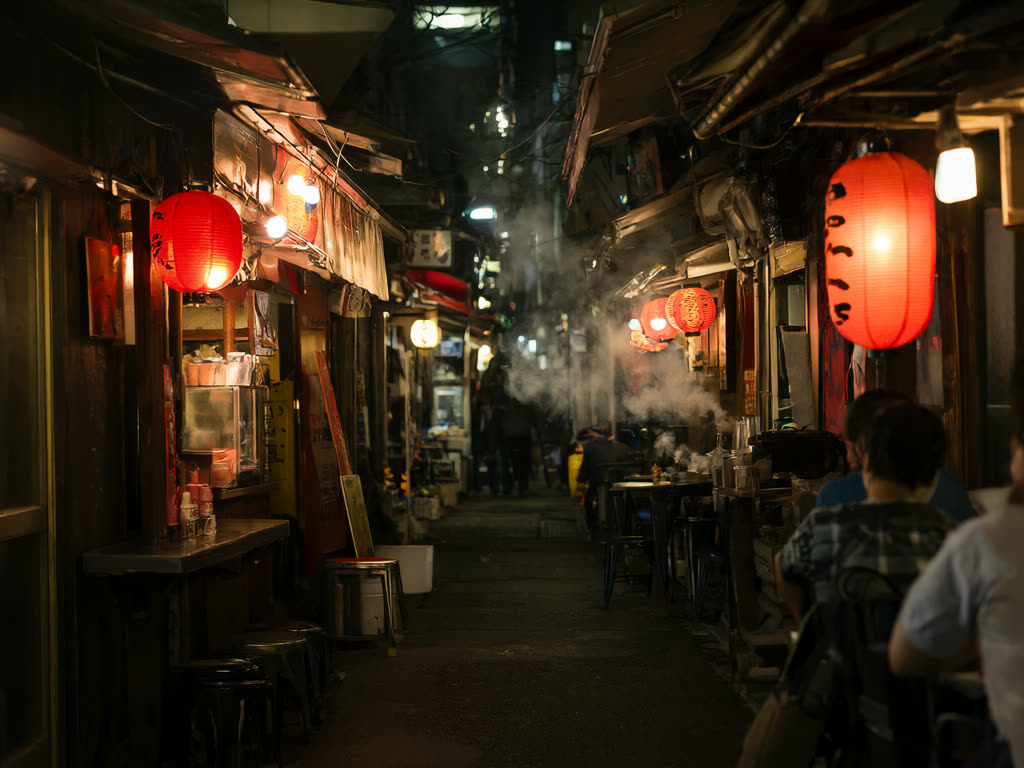
How it works
- Seating is tight. Many places seat under ten people. Groups of two do best; groups of five or more will struggle.
- Expect a charge for the seat. Some places add a small per-person charge or an appetiser, the same idea as otoshi at an izakaya. Our izakaya and yokocho guide explains this in detail.
- Order something each. Shops are small and need turnover. Many expect each person to order food and a drink, and some set a time limit.
- Bring cash. A lot of these counters are still cash only. Get some from a convenience store ATM before you arrive.
- Ask before photographing people. The lane itself is photogenic, but the customers are locals having dinner.
Order a few skewers at a time with salt or sauce, and a drink. A light dinner here with a couple of drinks is a reasonable price for central Tokyo, but costs vary by shop, so check the menu on the wall.
After dinner: Golden Gai
Golden Gai is a grid of six narrow alleys in the east of Shinjuku, near Hanazono Shrine, with around two hundred bars in two-storey wooden buildings. Most bars hold between five and ten customers, and each has its own character, often set by whoever is behind the counter that night.
The house rules
Cover charges are normal. Many bars charge a seat fee, often somewhere between a few hundred and about ¥1,500, sometimes more. It is usually posted on the door. Some include a drink, some do not. If it is not clear, ask before you sit down. Bars that welcome visitors often put an English sign or price list outside.
Respect the signs. A few bars are regulars only, or say so on the door. Take the hint and try the next one; there are plenty.
No photos without permission. The alleys are private property. The local association asks visitors not to take photos or video without permission, and inside a bar you should always ask the owner first. A polite "Shashin ii desu ka?" goes a long way.
Keep it quiet outside. People live and work above these bars. Do not stand in the alleys drinking, smoking or chatting loudly, and do not block doorways.
Stay a while, or move on. It is normal to have one or two drinks and move to another bar. It is not normal to walk in, look around and leave without ordering.
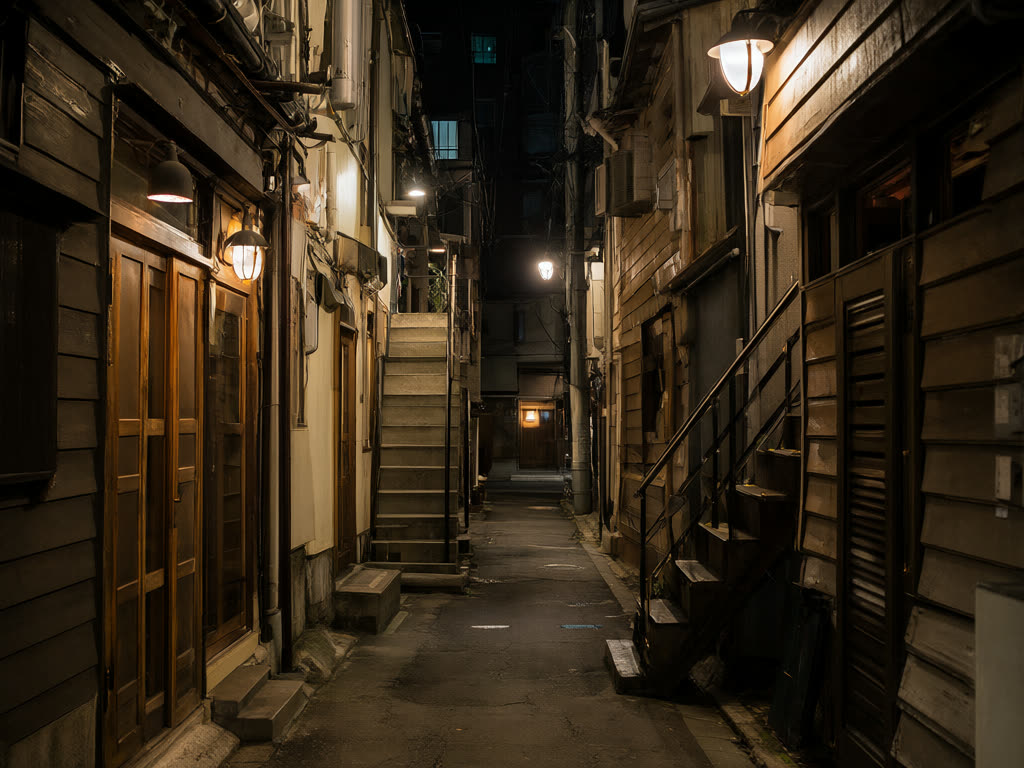
Golden Gai gets going around 9 pm and runs late. Bring cash; card acceptance varies from bar to bar.
Kabukicho: walk through, but choose your own bar
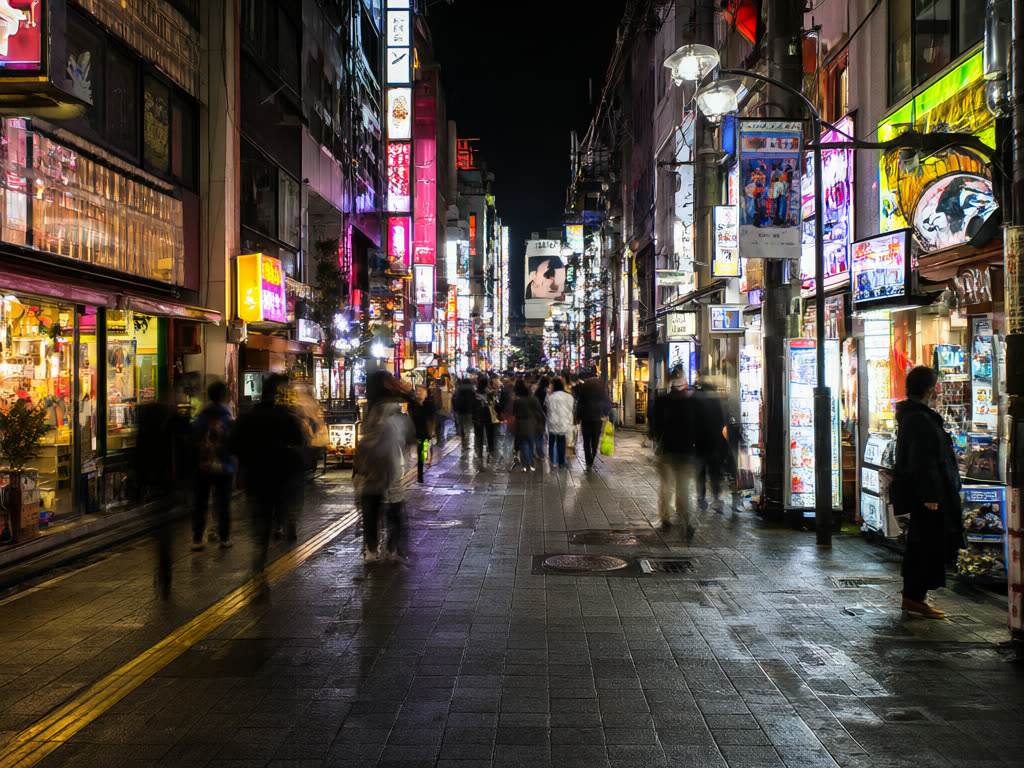
Kabukicho, the area between Golden Gai and Seibu-Shinjuku Station, is Tokyo's largest entertainment district: neon, cinemas, karaoke, restaurants, host and hostess clubs. The main streets are busy and generally safe to walk around, and many visitors come just to see the Godzilla head on top of the cinema building.
The real risk is overpriced bars. Shinjuku police have reported a rise in cases of visitors following street touts into bars and then receiving a very large bill. In the first half of 2026 alone, Shinjuku police received around ninety such reports, many from overseas visitors, with combined losses close to ¥100 million. Street touting is banned in Shinjuku, but it still happens.
How to stay out of trouble in Kabukicho
- Never follow anyone who approaches you on the street offering drinks, girls, a show or a discount. Do not stop to negotiate; just keep walking.
- Choose bars and restaurants yourself, and look them up online before you go in. If a place has no reviews or a lot of complaints, skip it.
- Read the menu and the price of everything, including cover charges and service fees, before you order. "All-you-can-drink" deals usually only cover your own drinks, not drinks for staff.
- Keep your drink in sight and your card in your hand. Pay as you go if you can, and check the amount before you approve a card payment.
- If you are in trouble, dial 110 for the police, or find the nearest police box (koban). There are police boxes around Kabukicho and at the station.
On Halloween night, Shinjuku Ward restricts drinking on the street in parts of Kabukicho and the area around Shinjuku 3-chome, and asks shops to pause alcohol sales. Expect police and crowd control if you are there on 31 October.
Getting home
Shinjuku Station is the busiest in the world by passenger numbers, with JR, Odakyu, Keio, Seibu and several subway lines. The JR and subway sections are connected but not always obviously, so allow ten minutes to change and follow signs for your line by name. Most trains stop around midnight; after that, a taxi is the main option, and the taxi rank at the west exit is a good place to find one.
An IC card covers every line here. Our trains and IC card guide explains the last-train problem and how to check times.
A simple evening plan
- Around sunset: Metropolitan Government Building observatory, then the projection show from the plaza.
- Walk ten minutes to Omoide Yokocho for skewers and a drink.
- Cross under the tracks to the east side and walk to Golden Gai.
- Walk back through Kabukicho's main street for the lights, without stopping for anyone who calls out to you.
If you are planning a full trip, our three-day Tokyo itinerary puts this evening alongside Asakusa, Shibuya and the museums.
Check before you walk in
Looking up a bar's reviews before you sit down is the single best defence against Kabukicho overcharging, and Shinjuku Station is far easier with live maps. An eSIM installed before you fly keeps you online all night, without hunting for Wi-Fi.
Japan eSIM from ¥480