Ginza and Nihonbashi: food halls, flagship stores and shops older than the bridge
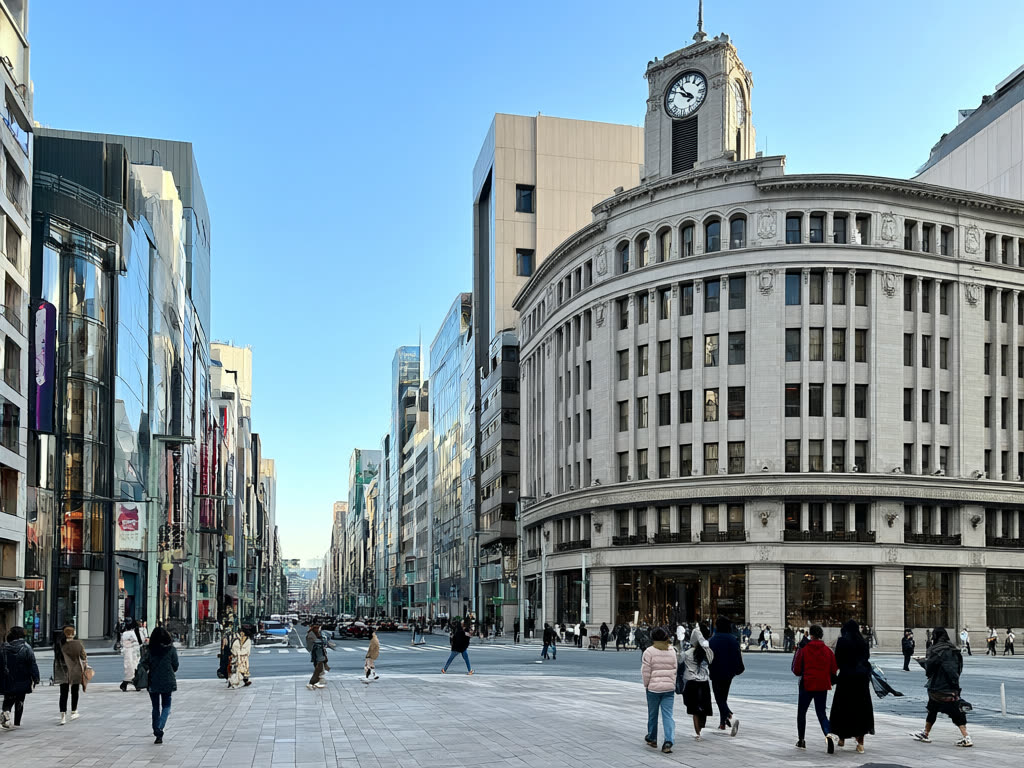
Ginza and Nihonbashi sit on the same street. Chuo-dori runs north from Ginza's glass flagships, across the stone Nihonbashi bridge, into the old merchant quarter where shops have sold paper, dried fish flakes and knives since the 1700s. You can walk the whole stretch in about 25 minutes, or ride the Ginza Line between Ginza and Mitsukoshimae in four.
This guide is for travellers who want to eat well, buy a few things that last and understand the tax-free rules before they reach the till. For a wider shopping list, including drugstores and Uniqlo, see our Tokyo shopping guide.
Depachika: the basement food halls
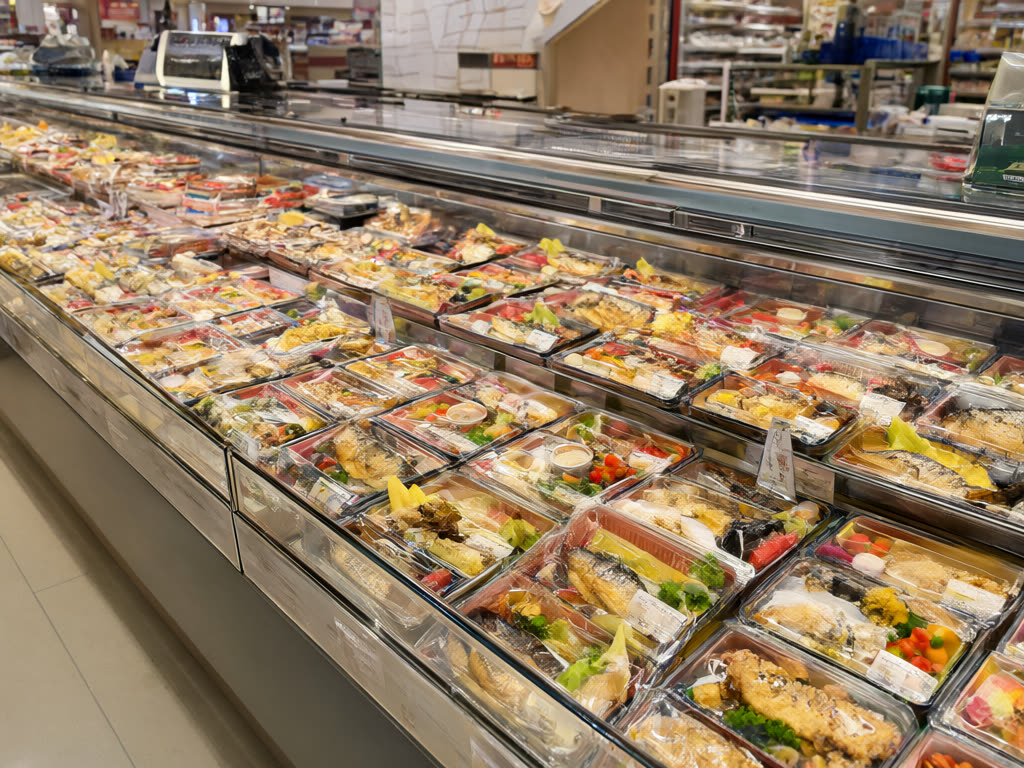
Depachika means "department store basement". These are the food floors, usually on B1 and sometimes B2, where Tokyo buys gifts, dinner and dessert. Entry is free, and sampling is common at sweet and pickle counters.
Mitsukoshi Ginza, on the Ginza 4-chome crossing, is the most central. Expect boxed wagashi from old confectioners, luxury fruit, and long cases of bento. The store opens at about 10am; the 8th floor has had a tax-free desk.
Matsuya Ginza, a short walk up Chuo-dori, is our pick for lunch to take away: bento ranging from tempura and grilled eel to small kaiseki-style boxes. The store has had a tax-free counter on the 3rd floor.
GINZA SIX, on the site of the old Matsuzakaya, has a smaller, more polished food floor in the basement, good for sweets and Japanese tea. Shops are open roughly 10:30am to 8:30pm. Take the lift to the rooftop garden, which is free and has been open from early morning until late evening; it is one of the few places in Ginza to sit down without buying anything.
Nihonbashi Mitsukoshi Main Store is the flagship of a business whose roots go back to the 17th century. Look for the bronze lions at the entrance. The food floor is big and calm on weekdays, with regional sweets from across Japan.
Nihonbashi Takashimaya occupies a 1930s building that is a designated Important Cultural Property, with old-style lifts still in use. Its basement is strong on long-established brands and gift boxes; the main building has been open from 10:30am to 7:30pm.
Depachika tips
- Go after 6pm for prepared food. In the last hour, many counters put discount stickers on sushi, salads and fried food.
- Do not eat on the floor or while walking. Take your bento to a bench, a park or your hotel. GINZA SIX's roof works well.
- Ask for ice packs (horeizai) for chilled cakes; most counters add them free for short trips.
- Prices: a good bento runs about ¥1,500 to ¥3,000; a box of quality sweets about ¥1,500 to ¥5,000.
Ginza: flagships and old names
Ginza's main crossing is marked by the Wako clock tower, a 1932 building that is still a watch and jewellery store. Around it, a few places worth stepping into:
- Ginza Itoya, opened in 1904: a narrow, twelve-floor stationery store marked by a giant red paper clip. Fountain pens, notebooks and a whole floor of paper. Weekdays are less cramped.
- Kyukyodo, at Ginza 5-chome: an incense and Japanese paper shop with roots in Kyoto in the 1600s. Good for postcards, envelopes and small incense sets that pack flat. Listed hours are about 11am to 7pm.
- Ginza Kimuraya, at Ginza 4-chome since the Meiji era: the bakery credited with inventing anpan, the sweet bean bun. A bun costs a few hundred yen; the upper floors have a cafe. Listed hours vary between sources.
- MUJI Ginza: the large flagship near Ginza 1-chome, with several retail floors, a food section and a hotel above.
- Mikimoto: the pearl house has been on Chuo-dori for over a century; even if you are not buying, the building is worth a look.
The car-free main street
On Saturdays, Sundays and public holidays, Chuo-dori closes to traffic for about 1.1 km through Ginza. The official hours are noon to 5pm from October to March and noon to 6pm from April to September. Police can cancel it in bad weather, and it pauses over New Year. You can walk down the middle of the street and photograph the facades without traffic. Exit A4 of Ginza Station brings you up close to the centre.
Nihonbashi: shops older than the bridge
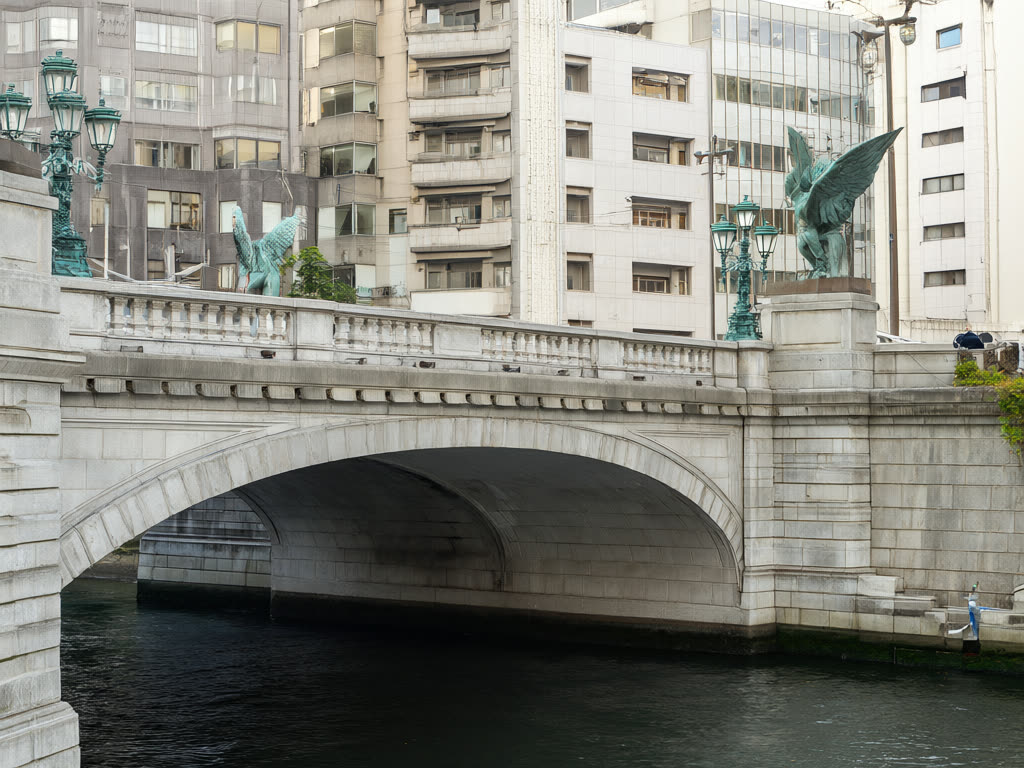
The current stone bridge dates from 1911 and is the point from which Japan's national road distances are measured; the elevated expressway overhead is being moved underground. North of it, the streets around Muromachi are full of family firms. Most are in or near the COREDO Muromachi buildings, opposite Mitsukoshi.
- Ninben, founded in 1699, sells katsuobushi (dried bonito) and dashi. Its Nihonbashi shop in COREDO Muromachi 1 has a small dashi bar where you can drink a small cup of hot broth for a modest price. Small dashi packs make a light gift.
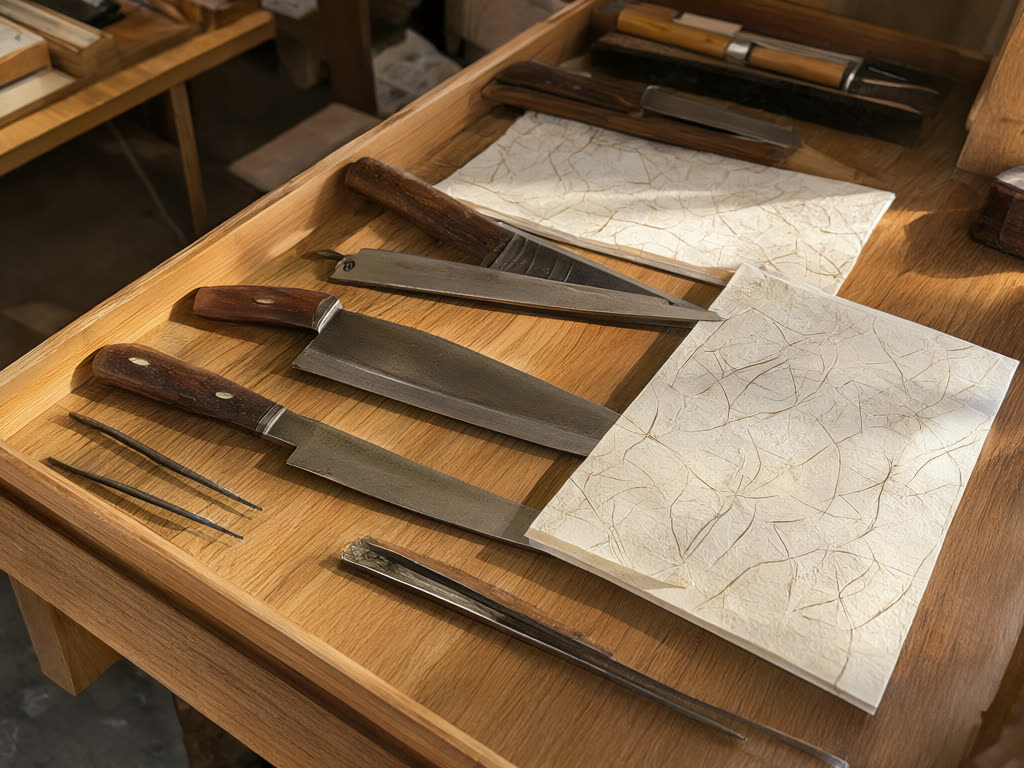
- Nihonbashi Kiya, founded in 1792, sells kitchen knives, scissors and tools, and staff will explain how to care for carbon steel. Listed hours are 11am to 7pm on weekdays and from 10:30am at weekends. Knives must go in checked baggage, not your carry-on.
- Haibara, a washi paper shop since 1806, sells decorated chiyogami paper, cards and notebooks.
- Sembikiya Sohonten, the fruit house founded in the 1830s, runs a fruit parlour at its Nihonbashi main store. A fruit parfait is several thousand yen; the shop sells melons that cost far more.
- Ubukeya, a short walk east in Ningyocho, has made tweezers, scissors and knives for generations. Its hand-finished tweezers are a well-known gift. Older listings give weekday hours only, closed weekends and holidays, so check before you go.
Tax-free shopping in 2026
Japan changed its tax-free system on 1 November 2026. Here is the short version; our Tokyo shopping guide has the detail.
- Bought on or before 31 October 2026: the old system. Tax was removed at the till or at the store's tax-free counter, with consumables sealed in a bag.
- Bought from 1 November 2026: you pay the full price, tax included. You still need to spend ¥5,000 or more before tax in one shop on one day, and you need your passport at the counter. There are no more sealed bags.
- At the airport or seaport, within 90 days of purchase, scan your passport at a tax-free terminal in the departure area before you check in your bags. If the screen shows a red result, take the goods to customs.
- Receipts are checked one at a time. If one item from a receipt is missing, nothing on that receipt qualifies. Food or cosmetics you used in Japan do not qualify either.
- The refund is paid by the shop or its refund agent, not by customs. Ask at the tax-free counter how you will be paid, and keep every receipt.
Some department stores have charged a small handling fee on tax-free sales in the past. Ask at the counter, and check the Japan Tourism Agency's tax-free pages close to your trip.
Food and the new rules
Depachika sweets for your suitcase can count toward the ¥5,000, but only if you still have every item from that receipt when you leave. Buy gifts to take home on a separate receipt from snacks you plan to eat.
A one-day route
Morning: Start at Nihonbashi. Cross the bridge, drink a cup of dashi at Ninben, look at knives at Kiya and browse the Mitsukoshi food floor before the lunch rush.
Lunch: A bento from a depachika eaten on the GINZA SIX roof, or a sushi counter from our Tokyo sushi guide.
Afternoon: On a weekend, walk Chuo-dori while it is car-free. Itoya, Kyukyodo and Kimuraya are all within a few minutes of each other.
Evening: Return to a depachika after 6pm for discounted prepared food, or take the Hibiya Line two stops to Tsukiji for a seafood dinner; see Tsukiji and Toyosu.
In winter, the Marunouchi lights are a ten-minute walk from Ginza; see our Tokyo winter lights guide. In the first days of January, department stores here reopen with lucky bags (fukubukuro) that can sell out within hours.
For quick snacks and an ATM between shops, see our convenience store guide.
A shopping day with a map in your pocket
Check today's hours before you cross town, find the tax-free counter floor, translate a food label or a knife-care leaflet with your camera and keep your receipts' photos safe. Install your eSIM before you fly and all of it works from the first shop.
Japan eSIM from ¥480