Three days in Tokyo: a realistic first-timer's plan, area by area
Three days is not long in Tokyo. The city is huge, and the most common mistake we see from visitors is a plan that zigzags across it: Shibuya in the morning, Asakusa at lunch, back to Shinjuku for dinner. Each crossing costs 30 to 45 minutes of train time and a lot of energy.
The plan below groups things by area instead. Each day stays mostly in one part of the city, with short train hops between neighbourhoods that sit next to each other. It is built for a first visit, it assumes you like walking, and it leaves room for jet lag and for getting lost on purpose.
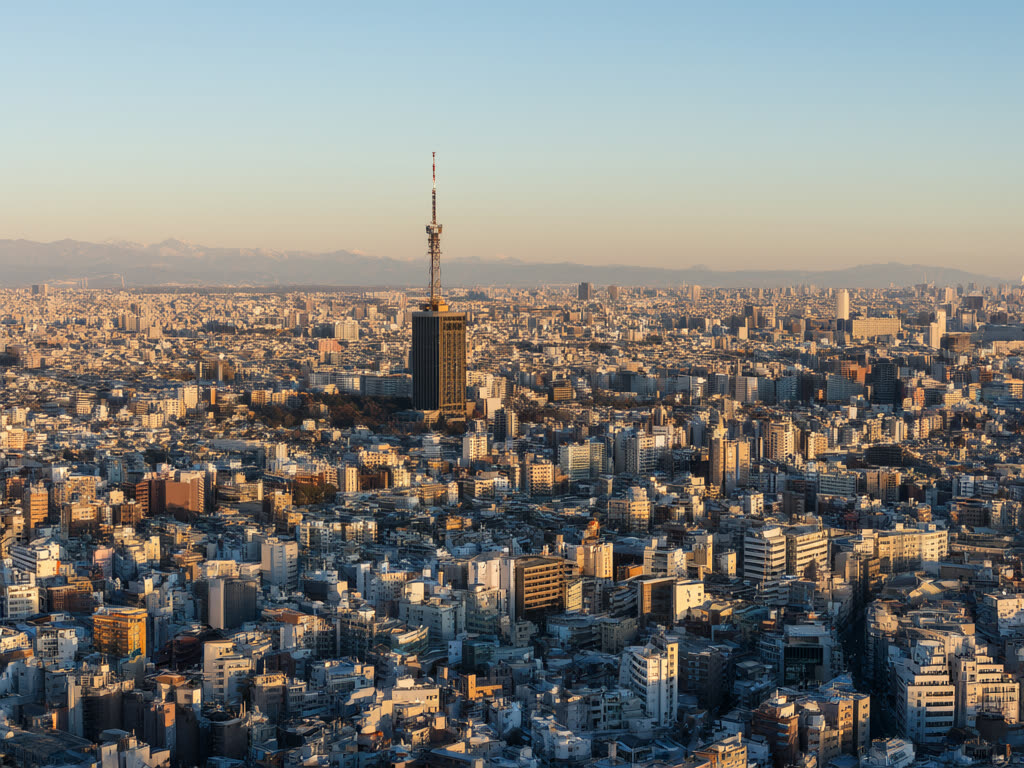
Before you start
- Get an IC card on your phone or in your hand. Suica or PASMO covers almost every train, subway and bus in Tokyo, and convenience stores too. Our guide to Tokyo trains and IC cards explains how to set one up.
- Book the few things that sell out. Observation decks at sunset, teamLab and the Ghibli Museum all use timed tickets and can sell out days or weeks ahead. Check the official sites as soon as your dates are fixed.
- Expect to walk a lot. Ten kilometres a day is normal on this plan. Bring shoes you have already broken in.
- Have data from the airport. You will use maps, transit apps and translation all day, every day. Our Japan eSIM guide covers how it works.
Day 1: Old Tokyo on the east side
Start in the east. It is a gentle first day: compact, walkable, and at its best in the morning, which suits you if jet lag wakes you early.
Morning: Asakusa
Be at Senso-ji, Tokyo's oldest temple, as early as you can. Before 8:30 the courtyard is quiet and you can see the big gate, the main hall and the pagoda without crowds. Then explore the side streets as the shops open, rather than the main shopping street, which fills up by 10 am. Our one-day Asakusa guide has the details, including the best streets and when Kappabashi kitchen street is open.
For lunch, Asakusa is known for tendon, tempura on rice. See our Tokyo food guide for how to eat here without long queues.
Afternoon: Ueno or Yanaka
Take the Ginza Line two stops to Ueno. You have two choices, depending on your mood:
- Museums. The Tokyo National Museum in Ueno Park is the best single place in the city to see Japanese art and history. Note that most of the park's museums close on Mondays.
- Old streets. Walk or take the train to Yanaka, a quiet district of temples and wooden houses, and finish at the small shopping street Yanaka Ginza.
Our Ueno and Yanaka guide covers both, plus the Ameyoko market street for a cheap snack on the way.
Evening: the river and Skytree
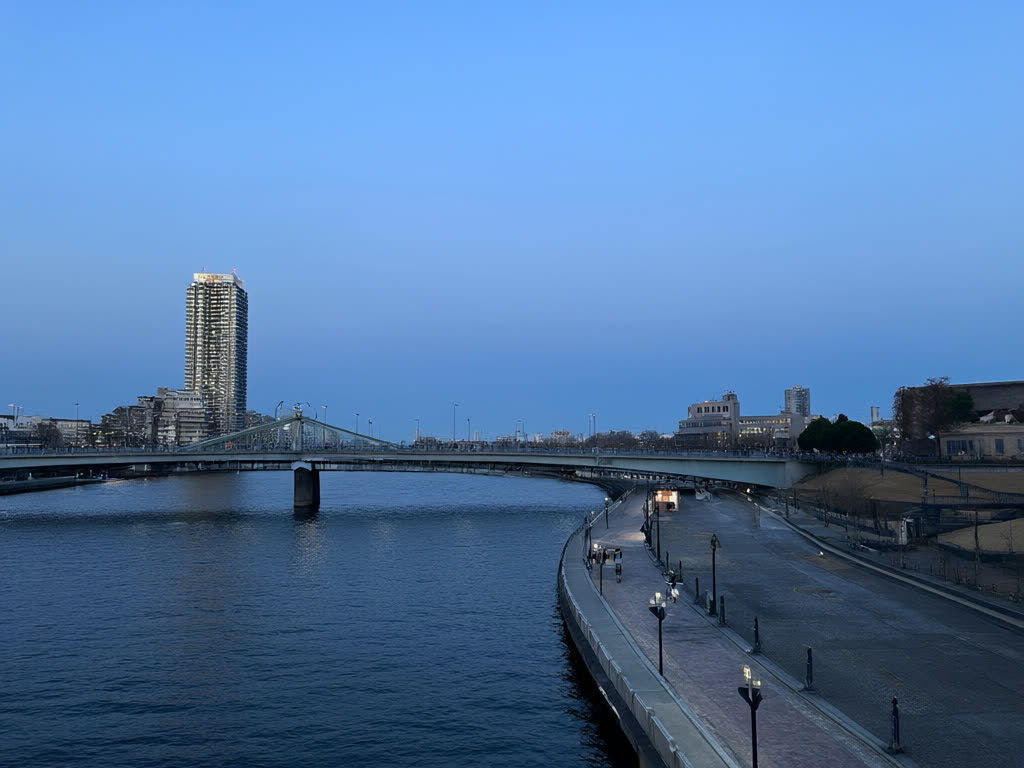
Head back to Asakusa and walk along the Sumida River at dusk, crossing the pedestrian bridge beside the railway towards Tokyo Skytree. Go up if you booked a sunset slot, or just look at it lit up from the river. Dinner in Asakusa: an izakaya on Hoppy Street, or a smaller place in the lanes. Our guide to izakaya and yokocho explains how ordering and table charges work.
Day 2: The west side, from forest to neon
Day two is the busy, loud Tokyo that most people picture. It runs along the JR Yamanote Line: Harajuku, Shibuya and Shinjuku are each a few minutes apart.
Morning: Meiji Jingu and Harajuku
Meiji Jingu is a large Shinto shrine set in a planted forest next to Harajuku Station. Come early: the long gravel paths under the trees are calm in the morning, and it is a good contrast to the rest of the day. Then walk into Harajuku. Takeshita Street is a narrow, packed lane of youth fashion and crepe stands; Omotesando, the wide avenue next to it, is lined with designer architecture. The small streets behind Omotesando (often called Ura-Harajuku) are where the independent shops are.
Afternoon: Shibuya
Walk down to Shibuya, about 15 to 20 minutes along Omotesando or one stop on the train. Cross the famous scramble crossing, then watch it from above from one of the buildings around the station. For a full view of the city, Shibuya Sky is an open-air rooftop deck; sunset tickets go first, so book ahead and keep the weather in mind. Our Shibuya and Harajuku guide covers the area properly, including where to shop and eat.
Evening: Shinjuku
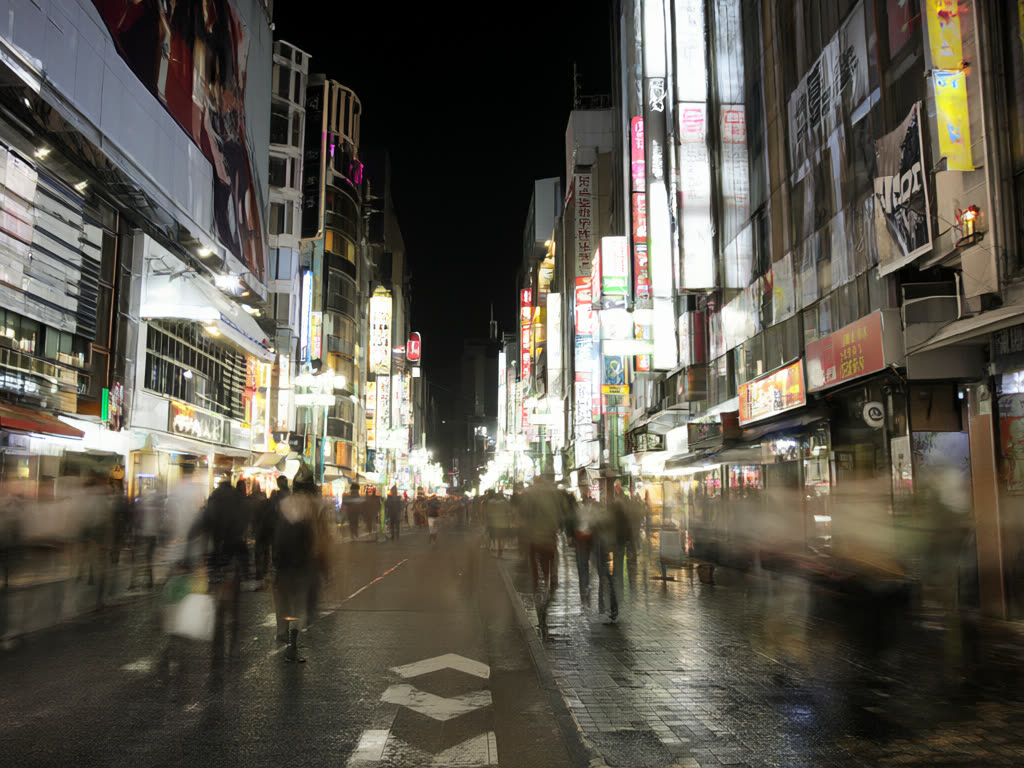
Take the Yamanote Line north to Shinjuku, about seven minutes. As it gets dark, the east side lights up. Walk through Kabukicho, eat yakitori in the tiny bars of Omoide Yokocho, and have a drink in Golden Gai, a block of narrow alleys with bars that seat five or six people. For a free view, the observation decks at the Tokyo Metropolitan Government Building on the west side are worth a look; check current hours on the official site. Our Shinjuku at night guide has the route and the etiquette for the small bars.
Day 3: Food markets, Ginza and the bay
The last day covers central Tokyo and the waterfront, and it is the easiest to shorten if you have a flight to catch.
Morning: Tsukiji Outer Market
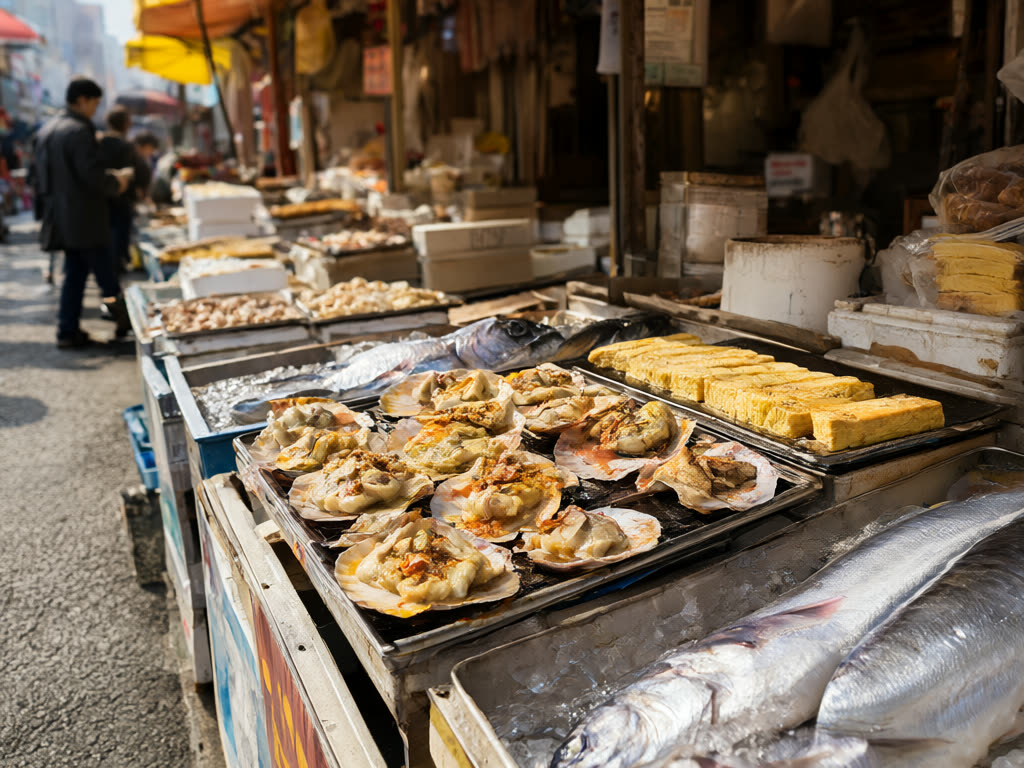
The wholesale fish market moved to Toyosu in 2018, but the outer market at Tsukiji is still there: a few blocks of stalls and small restaurants selling sushi, grilled seafood, tamagoyaki omelette and kitchen tools. Go in the morning; many stalls close by early afternoon and some are closed on Sundays and Wednesdays. If you want to see the wholesale tuna side, that is at Toyosu, and it is a very early start. Our Tsukiji and Toyosu guide explains the difference.
Midday: Ginza
Walk ten minutes to Ginza. Department store food halls in the basements are good for lunch and for edible souvenirs, and the big stores do tax-free shopping for visitors with a passport. On weekend afternoons the main street is often closed to cars and becomes a pedestrian zone.
Afternoon: teamLab or the museums
If you like art or have children with you, this is the slot for teamLab. There are two main venues: teamLab Planets in Toyosu, where you walk barefoot through water, and teamLab Borderless at Azabudai Hills. Both use timed tickets and often sell out, so book in advance. If you would rather see something else, our Tokyo museums and teamLab guide has other options.
Evening: your choice
End with whatever you missed. Our ramen and food picks are in the Tokyo ramen guide. Or go back to the area you liked most; on the third day, most people find they want more time in one place rather than another new neighbourhood.
If you have a fourth day
Leave the city. Kamakura, Nikko, Hakone and Kawaguchiko (for views of Mount Fuji) are all realistic day trips by train. Our day trips from Tokyo guide compares them by travel time and cost.
Where to stay for this plan
Because the days move from east to west and then to the centre, the best base is somewhere on a direct line to most of it. Ueno, Asakusa and the area around Tokyo Station are good for the east side and for trains from the airports; Shinjuku and Shibuya are good if you plan to spend your evenings there. Any of them works, as long as your hotel is a short walk from a station. That matters more than the neighbourhood name.
A note on pacing. Every day in this plan can be cut in half. If you are tired, skip the afternoon and come back to the hotel for an hour; Tokyo is at its best in the morning and after dark, and the middle of the day is the part you can afford to lose.
Three days go faster with data
Train routes, timed tickets, opening hours, the nearest ramen shop with no queue: on a short trip, most of it lives on your phone. Install an eSIM before you fly and it all works the moment you land.
Japan eSIM from ¥480