Stop following influencers: 12 Tokyo autumn leaf and light spots an AI picked from 37 traveller posts saved 32,041 times
Plenty of "best autumn leaves in Tokyo" lists are written by someone whose hotel or tour was paid for in exchange for a nice mention. This one was put together by software that cannot see colour at all, so it had no reason to flatter anyone; it only counted what travellers actually saved.
How our AI picked these
- It read 37 traveller posts about autumn colour, illuminations and seasonal day trips around Tokyo on social media. Together those posts were saved 32,041 times by other travellers.
- It pulled out every park, garden, avenue, light-up and day-trip spot that was named, in the posts and in the comments under them, 55 places in total, and scored each one.
- The score works like this: every post that names a place adds points, and posts that more people saved count for more. A place gets extra points when several different authors recommend it on their own, because one fan can be wrong but two strangers rarely agree by accident. We add a point when we have confirmed the details, and take one off when the comments flag a real problem.
- Only 25 places could be confirmed with clear details. 12 made the list: 10 in Tokyo and 2 day trips.
No shop paid to be listed here, and we accept no free meals, drinks or gifts from any shop. Read the full rules.
A quick note on what the numbers mean: the top two, the Jingu Gaien ginkgo avenue and Mount Takao, were each named in 11 separate posts, far ahead of everything else. Lower down, places named in three to five posts earned their spot on how widely those posts were saved. We left out cafes and burger shops that only appeared because they sit next to a famous avenue, and illuminations whose 2026 dates had not been announced when we checked.
About timing. Leaves turn a little earlier or later every year, depending on the weather. Every "usually" below is based on past seasons. Check this year's official dates and the garden's own leaf report before you go.
The list
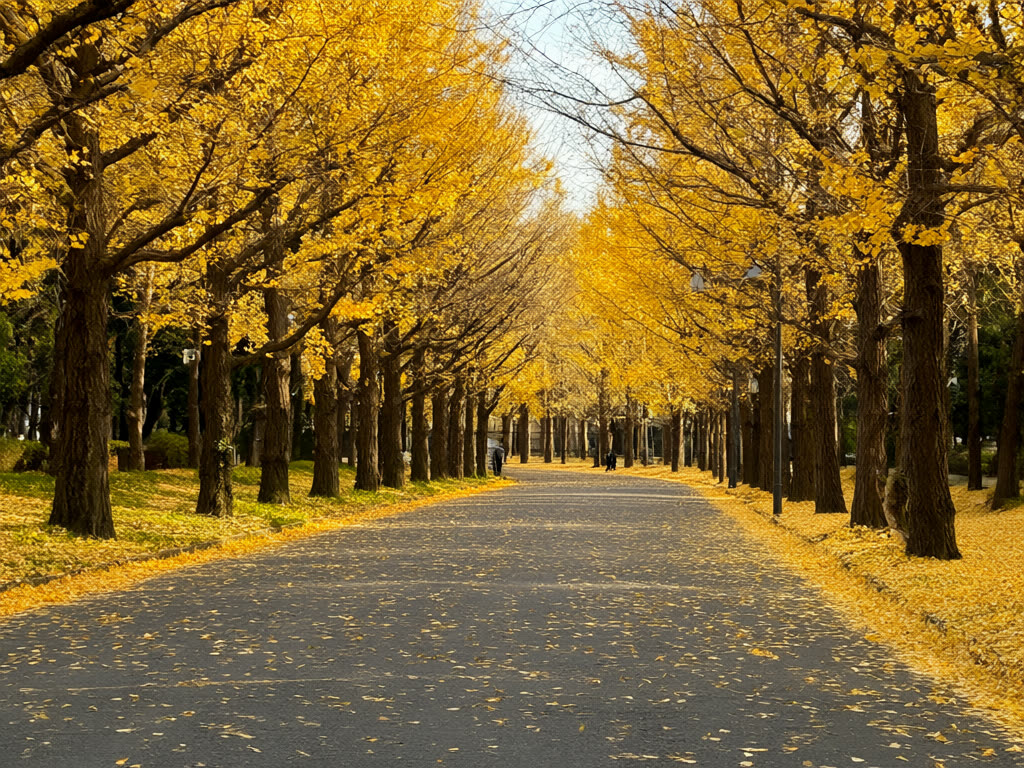
1. Jingu Gaien Ginkgo Avenue (神宮外苑いちょう並木)
Why the AI picked it: Named in 11 separate posts saved 5,078 times, the highest score in the data. It is the picture most travellers have in mind when they think of Tokyo in autumn: four rows of tall ginkgo trees that turn the avenue into a yellow tunnel.
When it usually peaks: Usually from mid-November into early December. In many years a ginkgo festival with food stalls runs nearby in the same weeks; the 2026 dates had not been announced when we checked, so check this year's official dates.
Getting there: Aoyama, about five minutes on foot from Aoyama-itchome Station (Ginza, Hanzomon and Oedo lines), or from Gaienmae Station on the Ginza Line.
Cost: Free. Festival food is paid separately.
Crowd tip: Go early on a weekday morning. Weekend afternoons at peak are shoulder to shoulder. The late-afternoon light, roughly 3pm to 5pm, is the softest for photos.
Heads-up: Commenters who went in early December found many leaves already on the ground and too many people for clean photos. Rain speeds up the fall, so don't leave it to the last week.
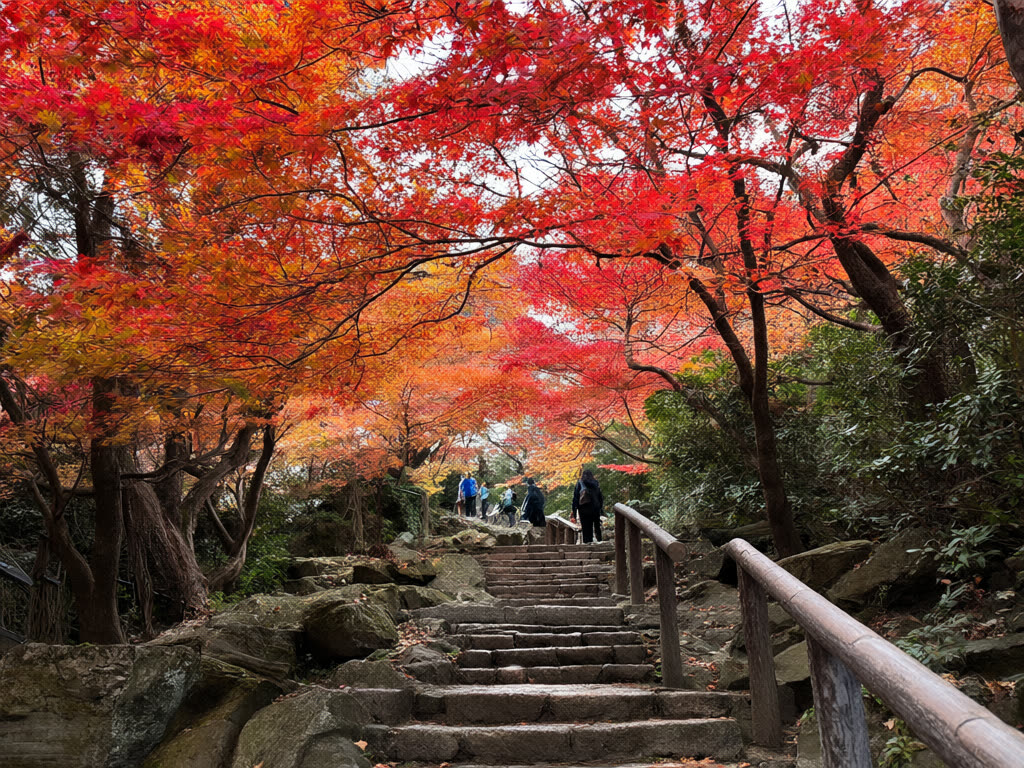
2. Mount Takao (高尾山)
Why the AI picked it: Named in 11 separate posts saved 3,787 times. Travellers loved that a real mountain with a temple, a summit view and maples along the cable car line is under an hour from Shinjuku, with a hot spring at the bottom for the way home.
When it usually peaks: Usually from mid-November to early December, moving down the slopes over several weeks. A maple festival with music and food stalls usually runs on weekends from late October to early or mid-December; the 2026 dates had not been announced when we checked, so check this year's official dates.
Getting there: Keio Line from Shinjuku to Takaosanguchi Station, about 50 minutes on a limited express. The cable car station is a short walk away.
Cost: Hiking is free. The cable car and the chairlift are each ¥490 one way or ¥980 return for adults. Keio also sells a discount ticket that bundles the train from Shinjuku with the cable car; check the price at the station.
Crowd tip: Take one of the first cable cars of the morning, or walk up and save the cable car for the way down. Posts suggest Trail 1 up and Trail 4 (with the suspension bridge) down. Trail 2 is steep and dark late in the day.
Heads-up: On November weekends commenters waited about an hour for the cable car and queued again at the summit. Go on a weekday if you possibly can.
3. Roppongi Hills Keyakizaka Illumination (六本木ヒルズ けやき坂イルミネーション)
Why the AI picked it: Named in 7 separate posts saved 12,118 times, the most-saved place in the whole data set. The street of zelkova trees lit in white and blue, with Tokyo Tower glowing orange at the end, is the city's best-known Christmas view.
When it usually runs: Usually from early November to Christmas Day. For 2026, Mori Building has announced 5 November to 25 December, lit from 5pm to 10pm (the first night and crowded nights may differ). Full details on the Roppongi Hills site were due on 22 October, so check this year's official dates there.
Getting there: Roppongi, about five minutes from Roppongi Station (Hibiya Line) or four minutes from the Oedo Line platform. Azabu-Juban Station is about five minutes away.
Cost: Free. The Roppongi Hills Christmas Market in the plaza under the big roof, announced for 21 November to 25 December 2026 from 11am to 9pm, is free to enter; food and mulled wine are paid.
Crowd tip: The famous shot is from the pedestrian bridges over the slope. Posts suggest getting a spot by about 4:40pm if you want to watch the lights come on.
Heads-up: Commenters said the photos online are heavily filtered, and that Tokyo Tower is not always lit the way it looks in them. Go for the walk, not for one perfect picture.
4. Showa Kinen Park (国営昭和記念公園)
Why the AI picked it: Named in 7 separate posts saved 3,486 times. The ginkgo avenues beside the park's long canal glow gold after dark, and the maples in the Japanese garden reflect in the pond. Commenters asked more questions about tickets here than anywhere else, so we checked them.
When it usually peaks: The ginkgo usually peaks from mid to late November. The 2026 autumn festival and night walk are announced for 29 October to 29 November, lit from 4:30pm to 8:30pm, with last entry at 8:30pm. Check this year's official dates and hours on the park's site.
Getting there: Tachikawa, in western Tokyo, about half an hour from Shinjuku on a JR Chuo Line rapid train. Nishi-Tachikawa Station is right by a gate; Tachikawa Station is about 10 minutes' walk. At night you enter and leave through these two gates.
Cost: Park entry is ¥450 for adults and free for junior high school students and younger. The ginkgo avenues and the canal need only that. The Japanese garden after 4:30pm needs a separate ticket: ¥1,200 for adults bought in advance online, or ¥1,300 cash at the window on the day. An advance combo with park entry is ¥1,600. On 29 and 30 October, the garden is included with park entry.
Crowd tip: The park is enormous. Rent a bicycle near the gate in daytime to save your legs, then walk the lit areas.
Heads-up: Advance garden tickets go on sale a week before each date and are limited, so buy early for weekends.
5. Mitake Valley (御岳渓谷)
Why the AI picked it: Named in 5 separate posts saved 3,188 times, including one of the most-saved posts in the category. Travellers liked it as the quiet alternative to Mount Takao: maples, ginkgo and a clear river, with no climb.
When it usually peaks: Usually from mid-November to early December. Check this year's leaf reports before you go.
Getting there: Okutama area, on the JR Ome Line to Mitake Station, roughly 90 minutes from central Tokyo. The riverside path starts a few minutes from the station and runs about 4 km along both banks; Sawai and Ikusabata stations are at points downstream.
Cost: The walk is free. A sake brewery and small cafes along the way are paid.
Crowd tip: Go in the morning, when the light on the water is clearest. Allow around three hours if you walk the whole route at an easy pace.
Heads-up: Wear shoes with grip, as the path has wet rocks and steps. Commenters worried about bears; this is forested hill country, so check local notices and follow any wildlife warnings.
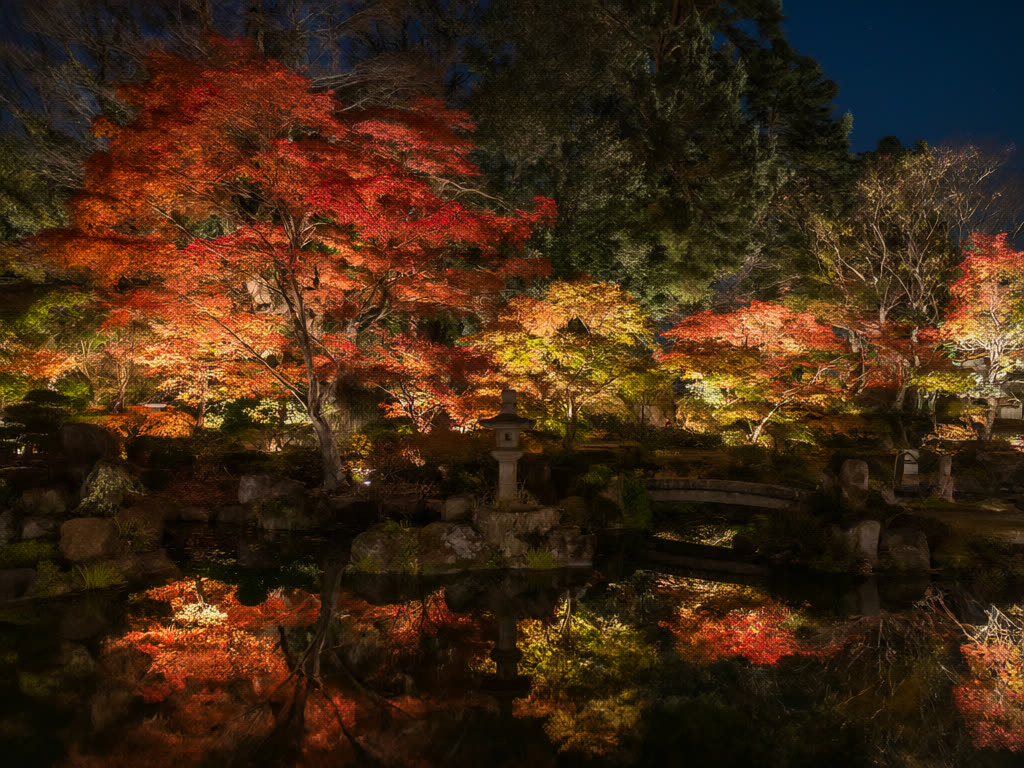
6. Rikugien (六義園)
Why the AI picked it: Named in 5 separate posts saved 2,095 times. Travellers called its evening maple light-up the one to book first: an Edo-period strolling garden with maples around a central pond.
When it usually peaks: Usually from late November to early December, a little later than most parks. The evening light-up usually runs for around two weeks from late November; in 2025 it was 28 November to 9 December. The 2026 dates had not been announced when we checked, so check this year's official dates.
Getting there: Komagome, about seven minutes from Komagome Station on the JR Yamanote Line (south exit).
Cost: Daytime entry is ¥300 for adults (¥150 for 65 and over). Open 9am to 5pm, last entry 4:30pm. The evening light-up needs its own ticket, sold in advance; last year's was ¥1,200.
Crowd tip: Buy the night ticket as soon as sales open. Weekday daytime visits are calm by comparison.
Heads-up: There is no parking, and the garden closes between daytime hours and the light-up, so you cannot simply stay on.
7. Shinjuku Gyoen (新宿御苑)
Why the AI picked it: Named in 5 separate posts saved 1,774 times. Travellers liked that it mixes ginkgo, maples and big plane trees with ponds and a teahouse a short walk from Shinjuku, and that its maple hill turns late, so it still has colour when other parks are bare.
When it usually peaks: The ginkgo usually from mid-November to early December; the maples on the garden's maple hill usually not until early to mid-December. Check this year's official updates.
Getting there: Shinjuku, about five minutes from exit 1 of Shinjuku-gyoemmae Station (Marunouchi Line). Sendagaya Station on the JR Sobu Line is close to another gate.
Cost: ¥500 for adults, ¥250 for students and 65 and over, free for junior high school students and younger. From October to mid-March it opens 9am to 4:30pm, last entry 4pm. Closed on Mondays (the next weekday if Monday is a holiday).
Crowd tip: Mornings are quietest. Last entry is early in autumn, so it does not work as an afternoon add-on.
Heads-up: Alcohol is not allowed and bags are checked at the gate.
8. Tokyo Midtown Christmas (東京ミッドタウン)
Why the AI picked it: Named in 4 separate posts saved 8,548 times. Several authors said its garden light show felt more magical than Keyakizaka, and that the two make one easy evening walk.
When it usually runs: Usually from mid or late November to Christmas Day. For 2026 it is announced for 26 November to 25 December, with the garden lights on from 5pm to 11pm. An outdoor ice rink is announced for 5 December to 23 February. Check this year's official dates.
Getting there: Roppongi, connected to Roppongi Station on the Oedo Line and a few minutes from the Hibiya Line exits.
Cost: The illuminations are free. The seasonal lounge and the ice rink are paid; we could not confirm this year's rink price.
Crowd tip: Posts suggest Midtown first, then the ten-minute walk to Keyakizaka.
Heads-up: The two Roppongi illuminations do not start on the same day in 2026. If you are here between 5 and 25 November, only Keyakizaka will be on.
9. University of Tokyo, Hongo Campus (東京大学 本郷キャンパス)
Why the AI picked it: Named in 4 separate posts saved 1,885 times. Travellers liked the ginkgo avenue leading to the old Yasuda Auditorium, and that it is free and calmer than Jingu Gaien. The university's emblem is two ginkgo leaves.
When it usually peaks: Usually from late November to early December. Check this year's leaf reports.
Getting there: Hongo, a short walk from Todaimae Station (Namboku Line) or about five to eight minutes from Hongo-sanchome Station (Marunouchi and Oedo lines).
Cost: Free. The campus grounds are open to visitors; university buildings are not.
Crowd tip: This is a working university. Keep your voice down, stay out of the buildings, and skip the cafeteria at lunchtime, when it is busy with students.
Heads-up: One commenter who went around 7 December found many leaves already down. Aim for late November.
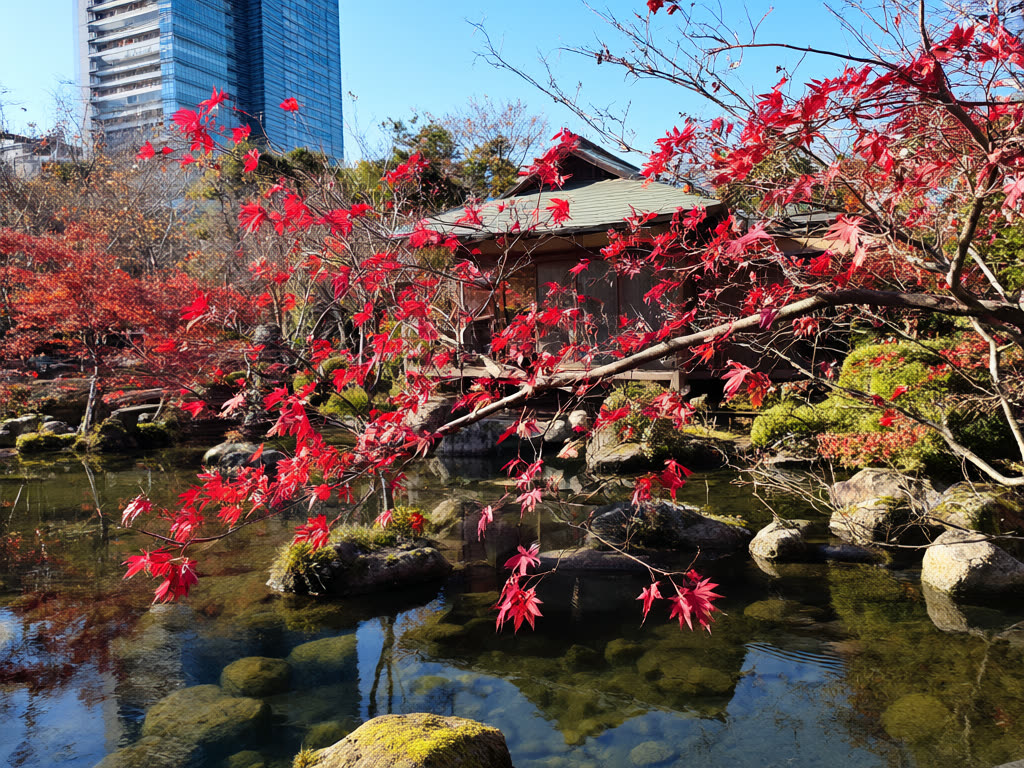
10. Koishikawa Korakuen (小石川後楽園)
Why the AI picked it: Named in 3 separate posts saved 4,058 times. One of Tokyo's oldest gardens, with hundreds of maples around its ponds. Commenters complained that other lists leave it out.
When it usually peaks: Usually from late November to early December. Check this year's official updates.
Getting there: Next to Tokyo Dome, a few minutes on foot from Iidabashi Station or Korakuen Station.
Cost: ¥300 for adults (¥150 for 65 and over). Open 9am to 5pm, last entry 4:30pm.
Crowd tip: Go in the morning, then walk to Rikugien or Hongo in the same day.
Heads-up: There is no parking. In some years the garden hosts small traditional performances during the peak weeks; check the garden's page.
Worth a day trip
These two scored well but need most of a day. For more ideas, see our day trips from Tokyo.
Lake Kawaguchi (河口湖)
Why the AI picked it: Named in 7 separate posts saved 7,193 times, the fourth-highest score in the whole data set. This is the classic view of Mount Fuji behind red maples and a lake.
When it usually peaks: Usually from early to late November. The Fujikawaguchiko Autumn Leaves Festival, centred on the Maple Corridor on the north shore, is announced for 7 to 29 November 2026, with a light-up from sunset to 9pm. Check this year's official dates.
Getting there: Highway bus from Shinjuku or train to Kawaguchiko Station, then the lake sightseeing bus to the Maple Corridor. Arakurayama Sengen Park, with the pagoda view, is a separate trip from Shimoyoshida Station, about 15 minutes on foot plus many steps.
Cost: The Maple Corridor and the lakeside parks are free. Buses, bike rental and some car parks are paid.
Crowd tip: Arrive before 8am. Morning light keeps Fuji out of the glare, and the lakeside parks are much calmer before 10am. Posts recommend an electric bike to get around the lake.
Heads-up: Fuji hides behind cloud on many days. Commenters asked whether they would see it at all, so check the mountain forecast the night before, and bring warm layers.
Kamakura's maple temples (鎌倉)
Why the AI picked it: Named in 2 separate posts saved 1,090 times. One author walked the Kita-Kamakura temples in early December and rated several of them highly; the route takes five to six hours.
When it usually peaks: Usually from late November to mid-December. Check this year's temple updates.
Getting there: About an hour from Tokyo on the JR Yokosuka Line to Kita-Kamakura Station for Engaku-ji, Meigetsu-in and Kencho-ji. Hase-dera is on the Enoden line at Hase Station.
Cost: Engaku-ji and Kencho-ji are each about ¥500 for adults, Meigetsu-in about ¥300. Fees change, so check each temple's page before you go.
Crowd tip: Go to Engaku-ji first thing or after 3pm. Climb to the viewpoint behind Kencho-ji before about 3pm, while the light is still good.
Heads-up: One commenter found Kencho-ji barely red on their date. Colour varies a lot by week, so check recent photos first.
How to plan a route
- A ginkgo day in the city: Jingu Gaien in the morning, Shinjuku Gyoen before its 4pm last entry, then the Roppongi lights after dark. Gaienmae to Roppongi is a short taxi or a few stops by train.
- A garden day in the north: Koishikawa Korakuen in the morning, the University of Tokyo ginkgo at lunchtime, and Rikugien in the afternoon or at its evening light-up. All three are within a few stations of each other. Ueno Park is close too; our Ueno and Yanaka guide has a full day there.
- West Tokyo: Mount Takao in the morning and Showa Kinen Park for the night walk both sit on the Chuo and Keio lines. Mitake Valley is a full day on its own.
- One evening in Roppongi: Midtown first, then Keyakizaka and the Christmas market (from 26 November, when both are on).
Want somewhere quieter? Our Tokyo hidden spots guide lists the corners most visitors walk past.
Check the colour before you cross town
Gardens post their leaf status online week by week, light-up tickets for Showa Kinen Park and Rikugien sell in advance, and the best viewpoints are easy to miss without a map. With an eSIM you can check this morning's photos, buy the night ticket on the train and walk straight to the right gate. Install it before you fly and you are online from the airport.
Japan eSIM from ¥480