Ueno and Yanaka: museums, a market street and old Tokyo on foot
Ueno is two stops from Asakusa on the Ginza Line, and it is where we send friends who have already seen the temple and want something different. In one day you can go from a national museum to a loud postwar market street and then into Yanaka, a district of temples, wooden houses and small shops that came through the war and the 1980s building boom mostly intact. Everything here is walkable. This is the route we suggest.
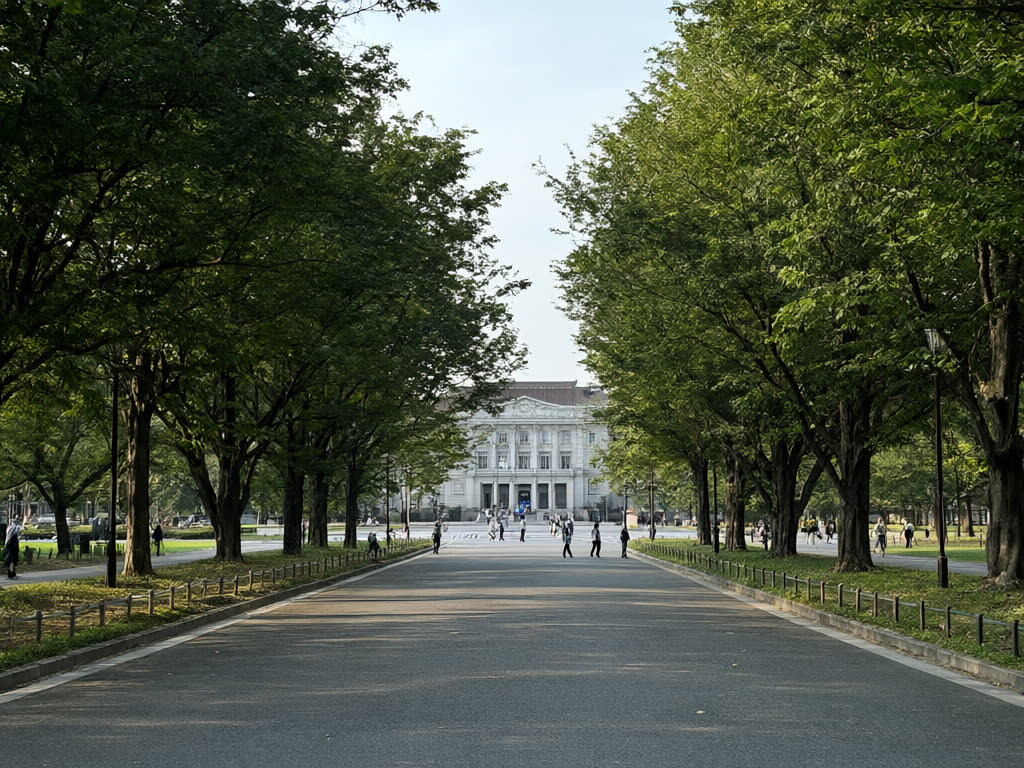
Morning: Ueno Park
Ueno Park is a large hilltop park right next to JR Ueno Station. Use the Park Exit and you are inside it in a minute. It is the main cherry blossom spot in central Tokyo in late March and early April, when the central avenue becomes a tunnel of pink and very crowded. The rest of the year it is calmer and more interesting than it looks from the station.
Museums
The park has more major museums in one place than anywhere else in Tokyo. Pick one, or two at most; trying to do more is how a good day turns into a tiring one.
- Tokyo National Museum is the oldest and largest museum in Japan, with samurai armour and swords, Buddhist sculpture, ceramics, kimono and painting. The main building alone can fill a morning. The Horyu-ji Treasures gallery at the back, a quiet modern building full of small gilt bronze figures, is easy to miss and worth seeing.
- National Museum of Western Art sits in a building designed by Le Corbusier, which is part of a UNESCO World Heritage listing. The collection includes Rodin sculptures in the front courtyard that you can see without a ticket.
- National Museum of Nature and Science is the pick for families, with dinosaurs, a full Japanese natural history floor and a rooftop garden.
- Tokyo Metropolitan Art Museum hosts temporary exhibitions that change through the year.
Mondays are the trap. Most of the big museums in Ueno Park close on Mondays, and when Monday is a public holiday they usually close on Tuesday instead. Ueno Zoo follows the same pattern. Opening hours, late evening openings and ticket prices change with special exhibitions, so check each museum's official site before you go, and buy timed tickets online for popular shows.
At the time of writing, standard admission to the Tokyo National Museum's regular collection was ¥1,000 for adults, with special exhibitions priced separately and often higher. If you are under 18 or over 70, bring ID: the regular galleries are free for those groups.
Temples and shrines in the park
Between the museums are a few older sites that many visitors walk past:
- Toshogu Shrine, with a gold-leaf main gate and a long avenue of stone and bronze lanterns.
- Kiyomizu Kannon-do, a small temple on a wooden platform modelled on the famous one in Kyoto, with a view across the pond.
- Shinobazu Pond, at the bottom of the hill, covered in huge lotus leaves in summer. You can rent a rowing boat or swan boat on the boating section, and in the middle of the pond is the Benten-do hall on its own little island.
Ueno Zoo is also in the park. It is the oldest zoo in Japan and is best known for its giant pandas when it has them; check the official zoo site to see which animals are currently on display. Adult admission was ¥600 at the time of writing.
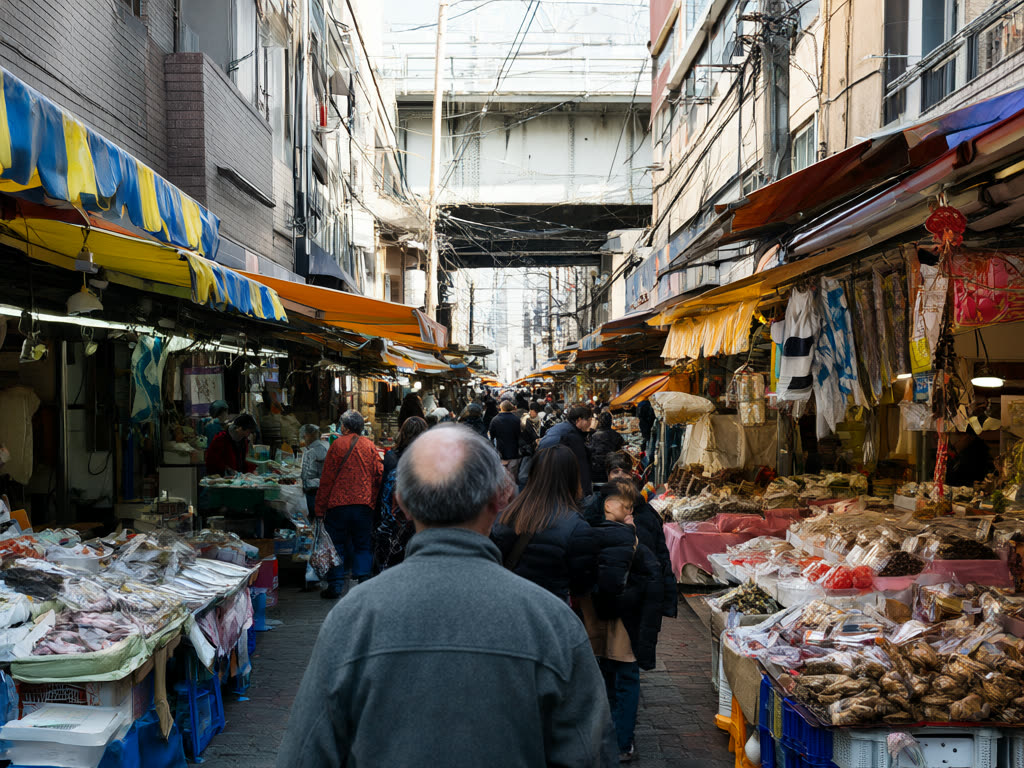
Lunch and early afternoon: Ameyoko
Walk down from the park towards the south end of Ueno Station and you hit Ameyoko (short for Ameya-Yokocho), a market street running along and under the JR tracks between Ueno and Okachimachi stations. It started as a black market after the war, and it still has that energy: fishmongers shouting prices, fruit sold on sticks, dried goods, cheap sneakers, cosmetics, spices and imported snacks, all packed into a few hundred metres.
Things worth doing here:
- Eat cheaply. Seafood rice bowls, skewers, Chinese and Turkish stalls, and standing bars under the tracks. It is one of the cheaper places to eat in this part of Tokyo.
- Buy dried goods and snacks to take home. Tea, dried seafood, sweets and spices are often priced lower than in tourist shops.
Most shops are open from mid-morning to early evening; bars and restaurants run later. It is busy every day and gets very crowded at the end of December, when locals come to buy New Year food. Cash still helps at the smaller stalls. For more on eating in places like this, see our guide to izakaya and yokocho alleys.
Afternoon: Yanaka
From Ueno, take the JR Yamanote Line two stops to Nippori, or walk about 20 to 25 minutes north through the back of Ueno Park past the art university. Leave Nippori by the west exit and climb the slope into Yanaka.
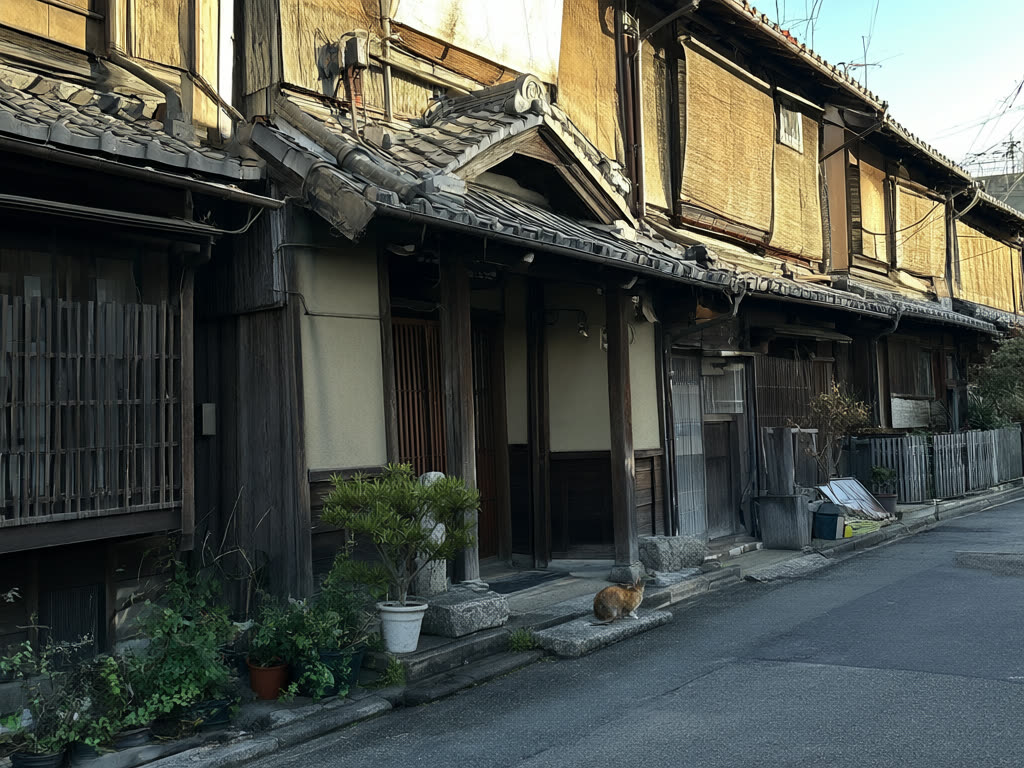
Yanaka has around seventy temples packed into a small area, because temples were moved here from other parts of the city centuries ago. Between them are wooden houses, small galleries, craft shops and cafes in converted buildings.
A simple route
- Yanaka Cemetery. Right next to Nippori Station, this large, leafy cemetery is open to walk through. The main avenue is lined with cherry trees and is a calm alternative to Ueno Park in spring. It is still a working cemetery, so keep your voice down.
- The temple lanes. Wander south and west through the streets around the cemetery. Most temples let you into their courtyards; some have small gardens. Look out for a large seated bronze Buddha at Tennoji temple, close to the station.
- Yuyake Dandan. A short flight of stone steps whose name means roughly "sunset stairs". From the top you look down onto the shopping street, and in the late afternoon the light comes straight down it. It has become a popular photo spot, so be patient and do not block the steps.
- Yanaka Ginza. At the bottom of the steps is a short shopping street of about seventy small shops: croquettes and menchi katsu fried to order, rice crackers, pickles, tea, and lots of cat-themed goods, because the area is known for its cats. Most of the food shops close in the early evening, so do not leave this until 6 pm.
Yanaka is a residential area. Many of the old houses are homes, not museums, so take photos from the street and keep the noise down.
Late afternoon: Nezu Shrine
From the end of Yanaka Ginza, walk south for about 15 minutes to Nezu Shrine. It is one of the older shrines in Tokyo, with a lacquered main hall from the early 1700s that survived the war. On the hillside next to it is a narrow path through a long tunnel of small red torii gates. It is similar to the much more famous one in Kyoto but far shorter and far less crowded.
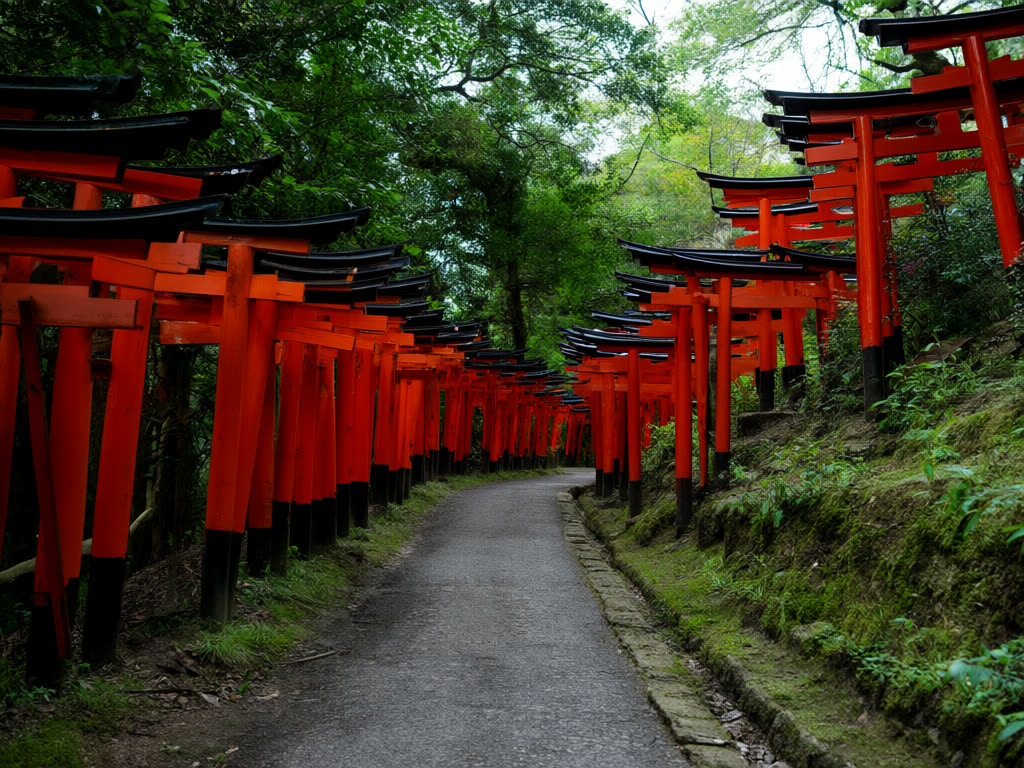
In April the shrine holds its azalea festival, when thousands of azalea bushes on the slope come into flower. During the festival there is a small entry fee for the azalea garden (the shrine grounds themselves are free). Bloom timing changes every year, so check the shrine's official page or social media before you plan around it. Weekdays are much calmer than weekends.
From Nezu Shrine, Nezu Station on the Chiyoda Line is about five minutes away, or you can walk back towards Ueno through the quiet streets around the pond.
Practical notes
- When to go. Any day except Monday if you want the museums. Weekday mornings are calmest in the park; Yanaka is nicest in the afternoon.
- How long. A museum, Ameyoko and the Yanaka walk make a full day. If you skip the museum, the whole route fits into an afternoon.
- Getting here. Ueno is on the JR Yamanote Line, the Ginza and Hibiya subway lines, and is the station for the Keisei Skyliner from Narita Airport. Our guide to Tokyo trains and IC cards covers how to pay.
Ueno and Yanaka pair well with a day in Asakusa, which is a short ride away. If you are deciding how to use your time in the city, see our three-day Tokyo itinerary, and for more museums across town, our guide to Tokyo museums and teamLab.
A walking day needs a working map
Yanaka is a maze of small lanes, museum tickets are easier to buy online, and closed days catch people out. With an eSIM installed before you fly, you can check hours, buy tickets and find your way between temples from anywhere on the route.
Japan eSIM from ¥480