Day trips from Tokyo: Kamakura, Hakone, Nikko and Kawagoe
Tokyo is big enough to fill a whole trip, but one day outside the city changes the pace. Temples in the hills, a lake with a view of Mt. Fuji on a clear day, old merchant streets. The four trips below are the ones we suggest most often to visitors, because each is reachable by train in two hours or less and none needs a car.
Prices below were checked in October 2026. Rail companies revise fares from time to time, so check the official site before you buy a pass.
Kamakura and Enoshima: temples and the sea
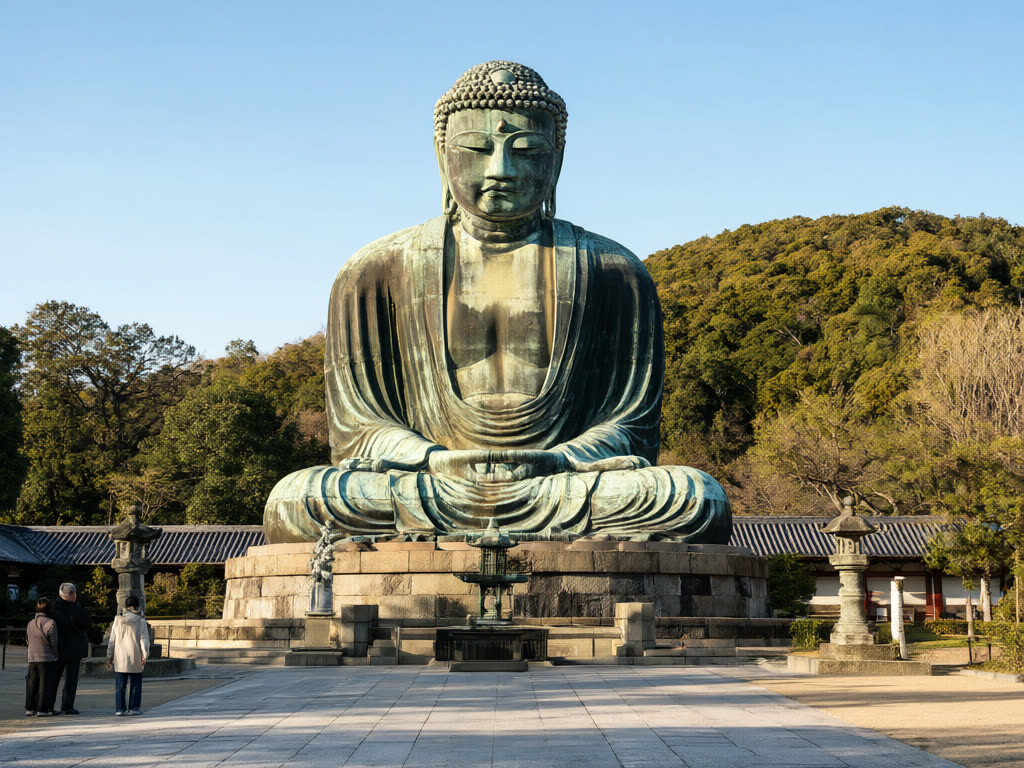
Kamakura was Japan's political capital in the 12th and 13th centuries, and the town still has dozens of temples and shrines within walking distance of each other. Add Enoshima, a small island joined to the shore by a bridge, and you have a full day.
Getting there. The simplest route is the JR Yokosuka Line from Tokyo Station, which runs straight to Kamakura in just under an hour for under ¥1,000 each way. From Shinjuku, the JR Shonan-Shinjuku Line takes about the same time, but only some trains run through to Kamakura; on others you change at Ofuna.
The other option is the Odakyu Line from Shinjuku towards Fujisawa and Katase-Enoshima. Odakyu's Enoshima-Kamakura Freepass costs ¥1,640 for adults from Shinjuku and includes a round trip plus unlimited rides on the Enoden, the small coastal train that links Fujisawa, Enoshima and Kamakura. If you want the Romancecar limited express, add a seat ticket of about ¥750. The pass counts the day of purchase as its day of use.
How long. One full day. A good loop: Kita-Kamakura's Zen temples in the morning, walk or ride into Kamakura, take the Enoden to Hase for the Great Buddha and Hasedera, then continue to Enoshima for the sunset.
Avoid the Enoden at midday on weekends. The line is single-track with short trains, and queues at Kamakura and Hase stations can take longer than the ride itself. Start early, or do the trip in reverse, Enoshima first.
Hakone: hot springs, volcano and lake
Hakone is a mountain resort area best known for its hot springs and a looping route that uses almost every kind of transport: mountain railway, cable car, ropeway over a volcanic valley, and a sightseeing boat on Lake Ashi.
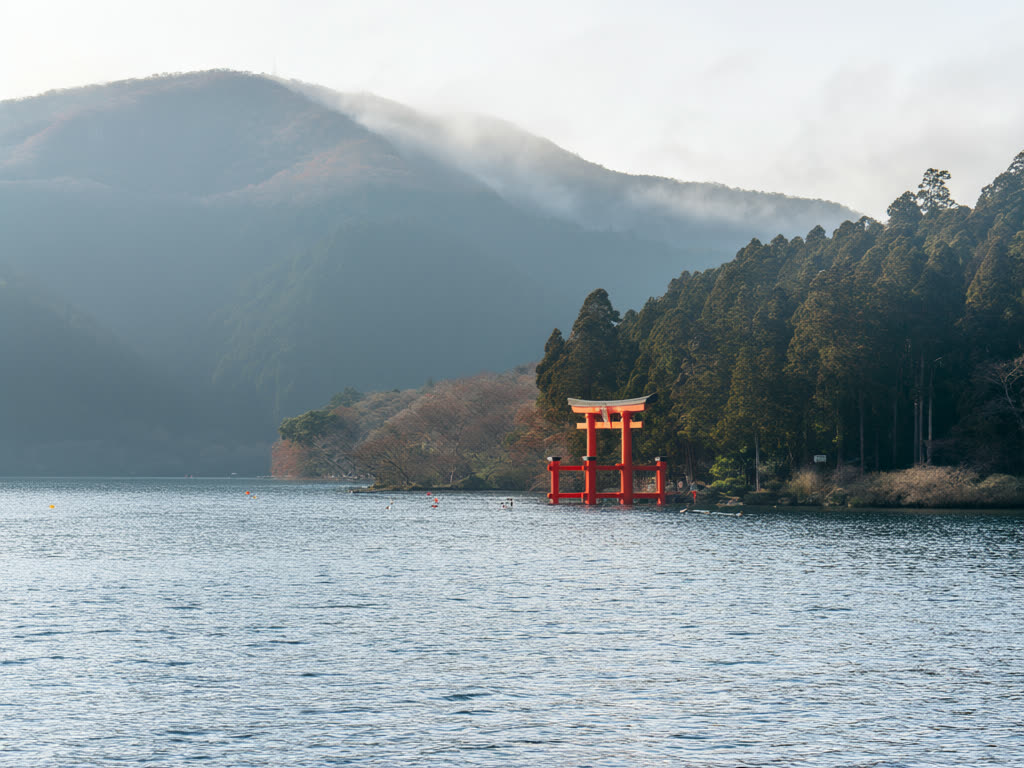
Getting there. Odakyu's Romancecar runs from Shinjuku to Hakone-Yumoto in about 85 to 90 minutes. The Hakone Freepass is the pass most visitors use. It covers the Odakyu round trip from Shinjuku and unlimited rides on the Hakone Tozan train, cable car, ropeway, sightseeing cruise and designated buses. From Shinjuku it costs ¥7,100 for two days or ¥7,500 for three. The Romancecar seat is extra, ¥1,200 each way from Shinjuku, so a typical round trip comes to about ¥9,500. If you are already in Odawara, the pass starts from ¥6,000.
How long. Hakone works as a long day trip, but it is better with one night. The full loop takes most of a day on its own, and you will want time to soak in an onsen afterwards. If you do it in a day, leave Shinjuku before 8 am.
What to know. The ropeway over Owakudani sometimes stops because of volcanic gas levels or strong wind, and a substitute bus may run instead. Check the operator's service status on the morning you travel. Mt. Fuji is often hidden behind cloud, especially in summer; winter mornings give the best odds.
Nikko: shrines in the cedar forest
Nikko is the most decorated shrine complex in Japan, set among tall cedars in the mountains north of Tokyo. Toshogu, the mausoleum of the first Tokugawa shogun, is covered in carving and gold leaf, and the shrines and temples around it are a UNESCO World Heritage Site.
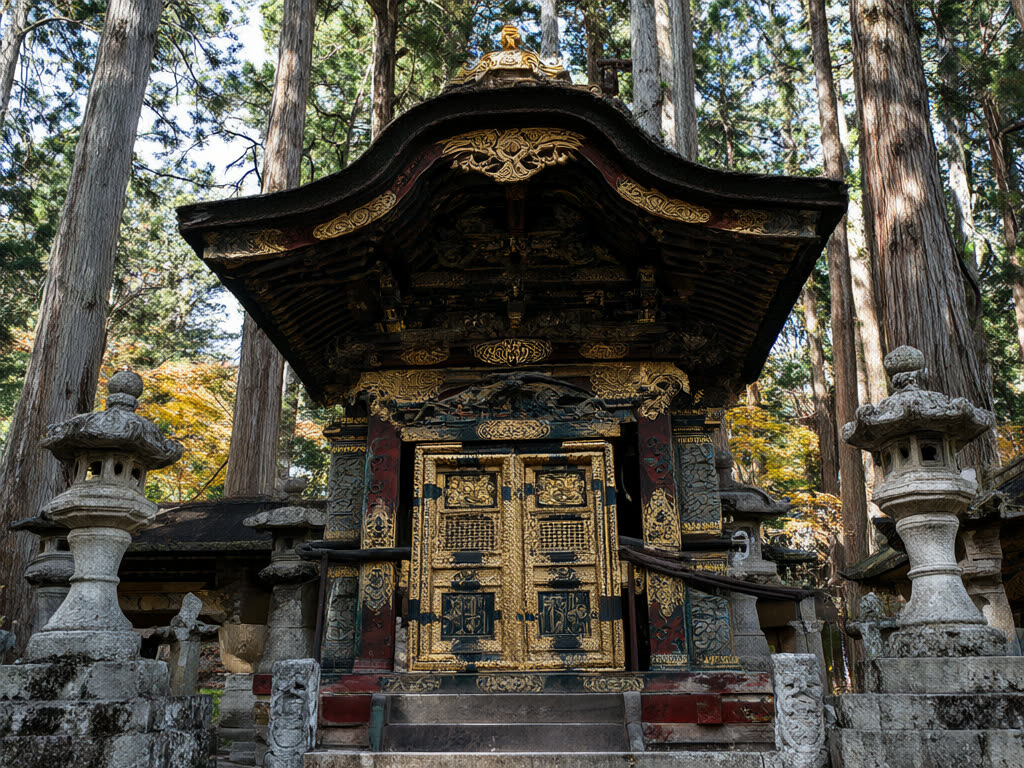
Getting there. From Asakusa, Tobu Railway runs limited express trains to Tobu-Nikko, including the Spacia X, in about 1 hour 50 minutes. All seats are reserved. From our side of town this is the easiest day trip of the four: Tobu's Asakusa station is a short walk from Senso-ji.
Tobu sells two passes to visitors with a foreign passport. The Nikko Pass World Heritage Area costs ¥3,000 for adults, is valid for two days and covers the round trip from Asakusa plus the bus between the stations and the shrines. The All Area pass, ¥8,000 and valid for four days, adds Lake Chuzenji and Kinugawa Onsen. In both cases the limited express seat is extra. If you hold a JR Pass, you can instead take the shinkansen to Utsunomiya and change to the JR Nikko Line, about two hours in total.
How long. A full day for the shrine area. From the stations to Toshogu is a 30 to 40 minute walk uphill, or a 10 minute bus ride. Lake Chuzenji and Kegon Falls are another 40 to 50 minutes by bus up a winding road, so seeing both in one day means an early start. Shrine opening hours are shorter in winter, and entry stops about 30 minutes before closing; check the official site for current hours and fees.
Kawagoe: old Edo streets, close to the city
Kawagoe is the short option. It kept a street of clay-walled merchant warehouses from the Edo period, with a wooden bell tower in the middle and a lane of old-fashioned sweet shops nearby. It is known for sweet potato, which turns up in everything from snacks to soft-serve.
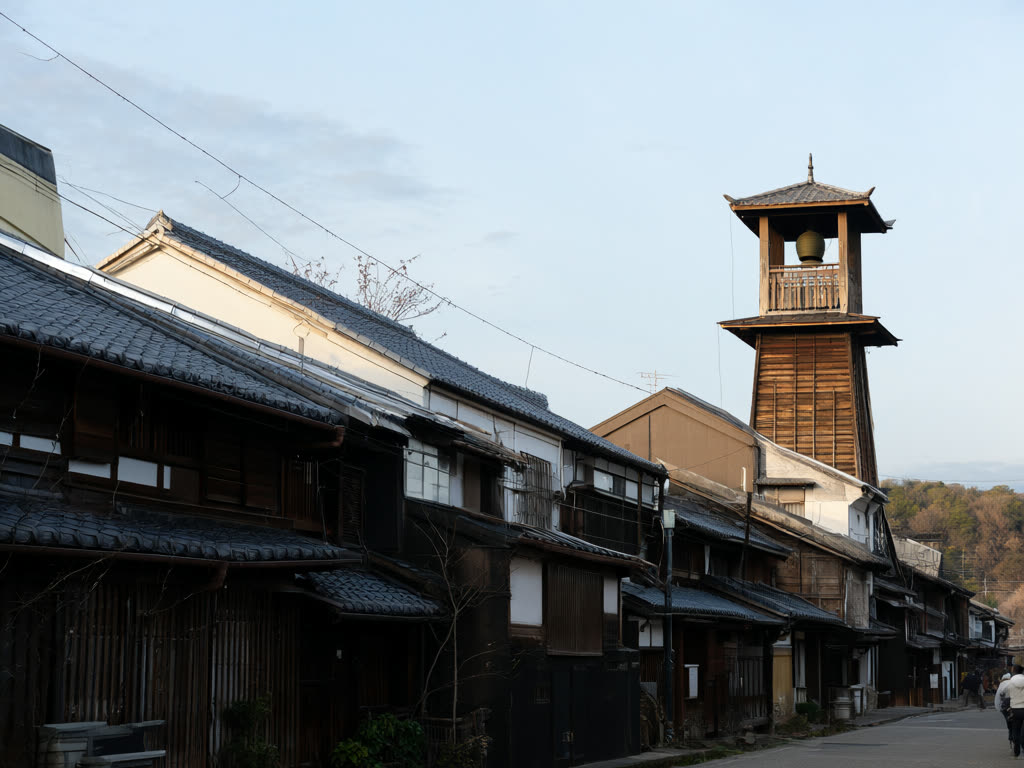
Getting there. The Tobu Tojo Line runs from Ikebukuro to Kawagoe in about 30 minutes on an express. Tobu's Kawagoe Discount Pass covers the round trip and gives small discounts at shops; the Premium version adds local Tobu buses. Prices have changed several times over the years and are roughly ¥700 to ¥1,200 depending on the version, so check the current figure at Ikebukuro station. From Kawagoe station, the old streets are about 20 minutes on foot or a short bus ride.
How long. Half a day is enough. That makes Kawagoe a good choice for a day when you also want an evening in Tokyo, or for a rainy day when a long mountain trip is less appealing.
Which one should you pick?
- Short on time: Kawagoe. Out and back in half a day.
- Temples plus a beach: Kamakura and Enoshima. Cheap, flexible, no reservations needed.
- Scenery and an onsen: Hakone, ideally with one night.
- One unforgettable shrine: Nikko, especially in autumn colour season, when it is also at its busiest.
Do you need a JR Pass for these?
Probably not. Hakone and the Enoshima route are run by Odakyu, Nikko and Kawagoe are mainly Tobu, and none of those are covered by the JR Pass. Kamakura by JR costs under ¥2,000 return. The regional passes above are usually the better deal, and for anything else a Suica or PASMO card works on all these lines. Our guide to Tokyo trains and IC cards explains how to set one up.
Practical tips for any day trip
- Leave early. Trains out of Tokyo before 8 am are calmer, and you reach the popular spots before the tour groups.
- Avoid weekends and Japanese holidays if you can. Kamakura and Hakone fill up with day-trippers from the city.
- Check the last train back. Limited express seats on the return can sell out on busy evenings, so book your return when you book the outward journey.
- Carry some cash. Small temples, bus fares and snack stalls outside Tokyo are more likely to be cash only.
If you are planning the rest of your time in the city, our three-day Tokyo itinerary leaves room for one of these trips, and Asakusa in one day pairs well with an early Tobu train to Nikko.
Day trips run on timetables
Outside central Tokyo, trains and buses run less often and a missed connection can cost an hour. With mobile data you can check live departures, ropeway status and walking routes from the platform. Install an eSIM before you fly and it is ready when you land.
Japan eSIM from ¥480