Stop following influencers: an AI scored 39 Tokyo spots, and these 3 walks won
Nearly every Tokyo list tells you to see Senso-ji and Skytree. We wanted to know where travellers go after that, so we let our AI count instead of asking an influencer, and three walkable neighbourhoods came out on top, each with specific places worth the train ride.
How our AI picked these
- It read 9 traveller posts on social media, which other people had saved 18,530 times in total, plus public review ratings.
- It scored 39 places named in those posts. 15 made this list, grouped into the walks they belong to.
- The scoring is simple. Every post that names a place adds points, and posts that more people saved count for more. A place gets extra points when different writers recommend it independently. It gets +1 if we confirmed it is open, and -1 if commenters flagged a real problem.
- Anything we could not confirm, or that looked closed, was dropped, however good it sounded.
No shop paid to be listed here, and we accept no free meals, drinks or gifts from any shop. Read the full rules. The AI has no favourite café and no friend who owns a bar. It only counts.
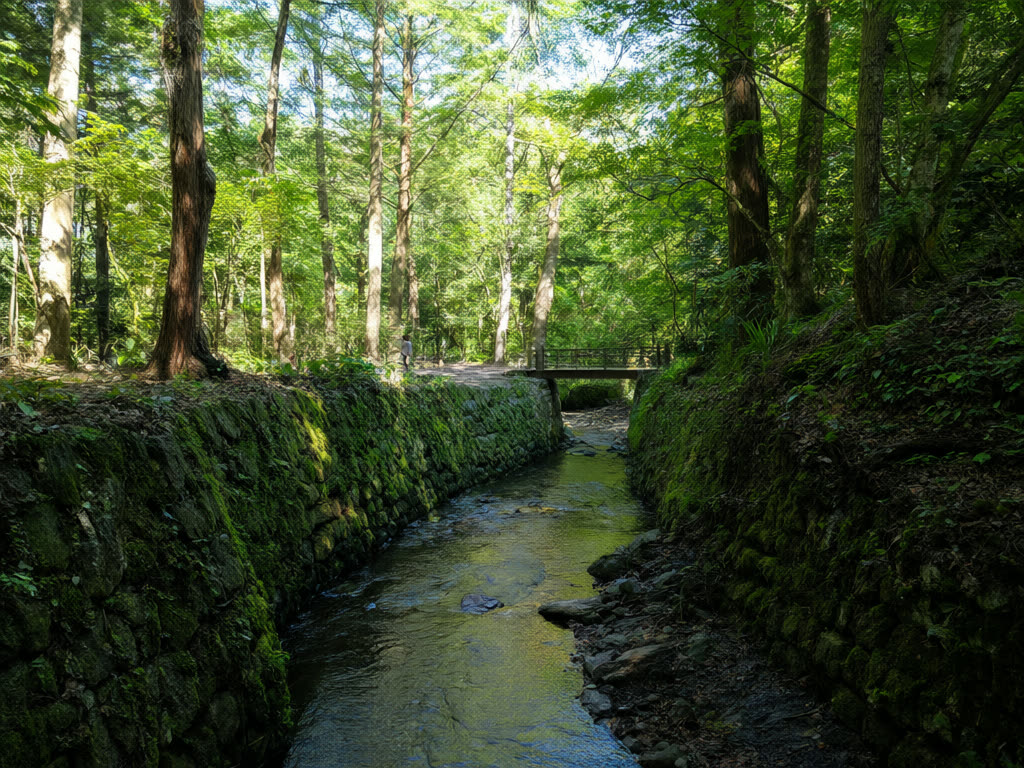
A note on what is missing. Senso-ji and Skytree scored high, but you do not need us to find them; they appear below only as landmarks. Akihabara also scored near the top, but the posts praised the district as a whole without naming shops we could check, so it is not ranked here. See our Tokyo shopping guide instead.
1. Sangenjaya to Shimokitazawa, ending at the cat temple
The highest-scoring place of all 39 was Shimokitazawa: named in 2 separate traveller posts saved a combined 5,362 times, one of which laid out a full day walk from Sangenjaya through Shimokitazawa to Gotokuji. Every stop on that walk checked out, so here it is in order. Allow most of a day.
Blue Bottle Coffee Sangenjaya (ブルーボトルコーヒー 三軒茶屋)
Why the AI picked it: the starting point of the walking route in a post saved 1,026 times; the writer liked the calm space on a quiet side street before setting off.
Order this: a hand-drip coffee or a latte to go, then start walking.
Price: about ¥600 to ¥900 for a drink.
Queue / booking: no booking. Mornings are calmest.
Getting there: a few minutes from Sangenjaya Station (Tokyu Den-en-toshi Line, two stops from Shibuya). Listings give the hours as 8am to 7pm, but check the shop's page before you go.
Heads-up: it is a branch of a chain, so come for the setting and the start of the walk, not for a coffee you cannot get elsewhere.
The Gorilla Building (三軒茶屋のゴリラビル)
Why the AI picked it: the first photo stop on the same route (post saved 1,026 times). The writer notes it is only a short walk from the station.
Order this: nothing to buy. Look up: a giant gorilla leans over the roof of a three-storey building, with a small girl wearing a school backpack sitting in its palm. At night a banana sign lights up on the building next door.
Price: free.
Queue / booking: none.
Getting there: about 5 minutes from Sangenjaya Station along Chazawa-dori, the street that leads to Shimokitazawa. There is a FamilyMart on the ground floor.
Heads-up: the floors below are offices and a gym, not a sight. Take your photo from the pavement and keep moving.
Shimokitazawa (下北沢) and Ogawa Coffee Laboratory (オガワコーヒー ラボラトリー 下北沢)
From the gorilla, keep walking up Chazawa-dori for about 20 to 25 minutes and you arrive in Shimokitazawa, the area of vintage clothing shops, record stores and small live venues that topped our whole ranking. Wander the lanes on both sides of the station; most shops open late morning.
Why the AI picked it: the writer of the route post called Ogawa Coffee Laboratory the most stylish café they had visited in a long time (post saved 1,026 times).
Order this: pick beans from the long wall of origins and have a cup brewed; the shop is set up like a coffee lab where you can learn and taste rather than just grab a drink.
Price: a little above an average café, roughly ¥700 to ¥1,200 for a cup. Beans by weight cost extra.
Queue / booking: no booking for a drink. Weekend afternoons get busy.
Getting there: in reload, the low-rise complex built over the old railway line, a short walk from Shimokitazawa Station (Odakyu and Keio Inokashira lines).
Heads-up: published opening hours disagree between sources, and one lists a weekly closed day. Check the shop's page before you go.
Gotokuji Temple (豪徳寺)
Why the AI picked it: the last stop of the route (post saved 1,026 times). The writer says the temple is small but the cats are what make it.
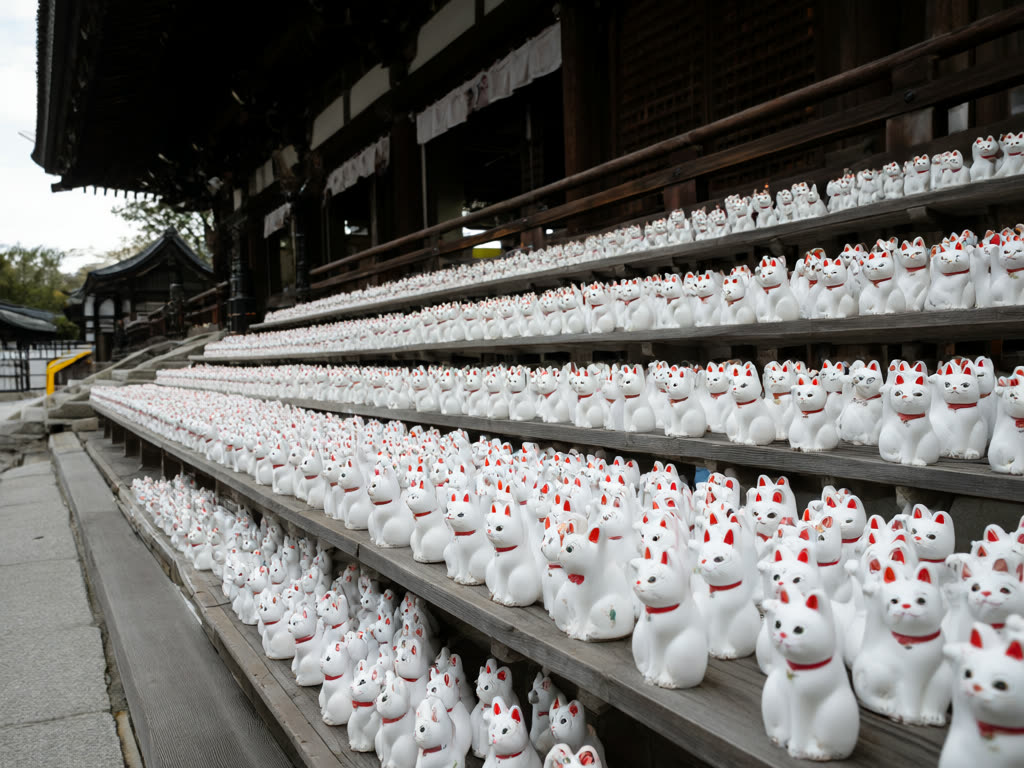
Order this: walk to the hall beside the main temple where hundreds of white beckoning cat figures with raised paws are lined up, left by visitors whose wishes came true. You can buy your own small cat at the temple office and add it.
Price: free to enter. Cat figures are sold in several sizes.
Queue / booking: none. Weekends around midday are the busiest; early morning is quiet.
Getting there: about 5 minutes on foot from Miyanosaka Station on the little two-car Tokyu Setagaya Line tram, or about 15 minutes from Gotokuji Station on the Odakyu Line (a few stops from Shimokitazawa). Sources give closing times between 5pm and 6pm, so arrive by mid-afternoon.
Heads-up: it is a working Zen temple. The cats are offerings: do not touch or move them, and keep your voice down.
2. Kuramae and the Asakusa back streets
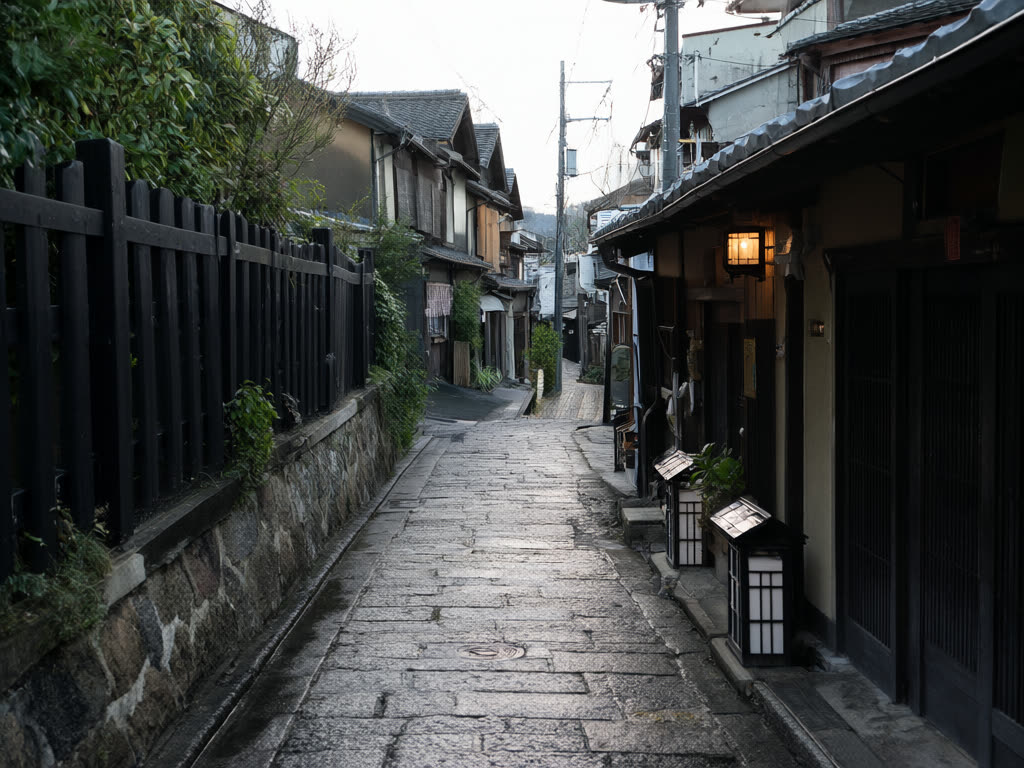
Our office is here, so we were curious what the AI would find. It ignored most of the famous shopping street and picked a latte art café in Kuramae and three places to eat on the side streets. Senso-ji sits in the middle as your landmark; the 15-minute walk south to Kuramae along the Sumida River connects it all.
HATCOFFEE (ハットコーヒー)
Why the AI picked it: named in 2 separate traveller posts saved a combined 2,611 times, the highest score in this area. Both writers were won over by a custom latte that took about five minutes to make and was too cute to drink.
Order this: a custom latte art drink. Show the barista a picture of a character or your pet and they draw it, in flat 2D or as a 3D foam figure rising out of the cup.
Price: about ¥1,200 to ¥1,300 for a custom drink (published prices vary).
Queue / booking: book online in advance for the custom art; slots go weeks ahead. The main shop is the sit-down one. There is also a smaller Asakusa outlet, but listings describe it as takeaway, so check which shop your booking is for.
Getting there: the main shop is in Kotobuki, Taito-ku, a short walk from Kuramae Station (Toei Asakusa and Oedo lines) or 10 minutes from Asakusa. Listings give 11am to 6pm, closed Wednesdays; check the shop's page before you go.
Heads-up: one post warned it may not take cash, so bring a card.
Asakusa Menchi (浅草メンチ)
Why the AI picked it: listed as a must-try snack in a 79-page Tokyo guide saved 1,234 times, with the minced meat cutlet marked as the best-seller.
Order this: the menchi katsu, a deep-fried ball of seasoned minced pork in breadcrumbs, crunchy outside and juicy inside.
Price: about ¥350 to ¥400 each.
Queue / booking: a short line at peak times; it moves fast. Open 10am to 7pm, until sold out.
Getting there: Asakusa 2-3-3, just off Nakamise onto Denboin-dori, about 3 minutes from Kaminarimon and Asakusa Station.
Heads-up: commenters reminded readers that eating while walking is frowned on here. Stand by the shop and finish it, then move on.
Unagi Kutora Asakusa (うなぎ御食事処 九寅 浅草店)
Why the AI picked it: the same 79-page guide (saved 1,234 times) called it good value for grilled eel and said ordering was easy for visitors.
Order this: an unagi rice bowl, or the bowl that pairs eel with grilled chicken if you want to try both.
Price: about ¥2,000 to ¥3,000, which is reasonable for eel in Tokyo.
Queue / booking: walk-in. Lunchtime is busiest.
Getting there: Asakusa 1-6-2, a couple of minutes from Kaminarimon and Asakusa Station.
Heads-up: the hours in the post and on review sites do not match (roughly 10 or 11am to 9 or 10pm). Check the shop's page before you go. The post says it takes cash and cards.
Gyumitsu Asakusa (牛光 浅草店)
Why the AI picked it: the lunch stop in a 24-hour Tokyo itinerary saved 1,377 times. The writer praised the tender wagyu and the way the last part becomes a broth-over-rice finish, with a menu card explaining how to eat it.
Order this: niku mabushi, sliced wagyu over rice eaten three ways: plain, with condiments, and finally with hot broth poured over.
Price: about ¥1,200 to ¥2,000 at lunch.
Queue / booking: popular at lunch, and the waiting list can close early in the afternoon. Walk-ins work, but booking is safer.
Getting there: a few minutes from Asakusa Station. Review sites list lunch 11:30am to 3:30pm and dinner 5:30pm to 9pm, closed Tuesdays; check the shop's page before you go.
Heads-up: it fills with visitors at peak lunch; aim for 11:30am or after 2pm.
For a full day here, with the temple, the river and more food, see our Asakusa one-day guide.
3. Daikanyama down to Nakameguro
Two different traveller posts walked this route (saved a combined 2,253 times), and two of these places were recommended by both writers. It is a short, mostly downhill stroll: start in Daikanyama for books and design shops, then drop down to the river at Nakameguro. One commenter liked exactly that: no climbing. Allow half a day.
Daikanyama T-Site and Tsutaya Books (代官山 蔦屋書店)
Why the AI picked it: in the photos of both Daikanyama posts (2 writers, 2,253 saves combined); one called it a bookshop with a beautiful setting.
Order this: browse the travel, art and design floors, then sit with a coffee from the in-store café. The three white buildings with a woven pattern sit among trees, which is half the appeal.
Price: free to enter; magazines and books from a few hundred yen.
Queue / booking: none.
Getting there: about 5 minutes from Daikanyama Station (Tokyu Toyoko Line, one stop from Shibuya). It opens early and closes late, but published hours differ by floor, so check the shop's page before you go.
Heads-up: weekends from early afternoon are crowded. Go in the morning.
Hillside Terrace (ヒルサイドテラス)
Why the AI picked it: also in both Daikanyama posts (2 writers, 2,253 saves combined), with photos of its café and an art exhibition.
Order this: walk the long, low row of white buildings by architect Fumihiko Maki along Kyu-Yamate-dori, built in stages over several decades. Pop into the small galleries and sit at a terrace café.
Price: free to wander; café drinks about ¥600 to ¥1,000.
Queue / booking: none.
Getting there: a few minutes from Daikanyama Station, right next to T-Site.
Heads-up: galleries change shows and close between exhibitions, so do not plan around one show without checking.
minä perhonen Daikanyama (ミナ ペルホネン 代官山)
Why the AI picked it: a post saved 824 times described buying a made-to-order piece here, and staff sending a handwritten postcard to the writer's home afterwards.
Order this: look at the brand's hand-drawn textiles, tableware and small fabric goods. A fabric pouch or a piece of tableware is the more affordable souvenir.
Price: high. Clothing runs well into five figures in yen; small items are cheaper.
Queue / booking: none.
Getting there: inside Hillside Terrace, Building G, ground floor. Listed hours differ (roughly 11am or noon to 7 or 8pm, and one listing shows a weekly closed day); check the shop's page before you go.
Heads-up: a commenter on the post asked whether it was too expensive. If you are on a budget, just come to look; browsing is welcome.
Meguro River in Nakameguro (目黒川)
Why the AI picked it: the star of the Daikanyama to Nakameguro walk in a post saved 1,429 times, with photos of the river and its small bridges under green trees.
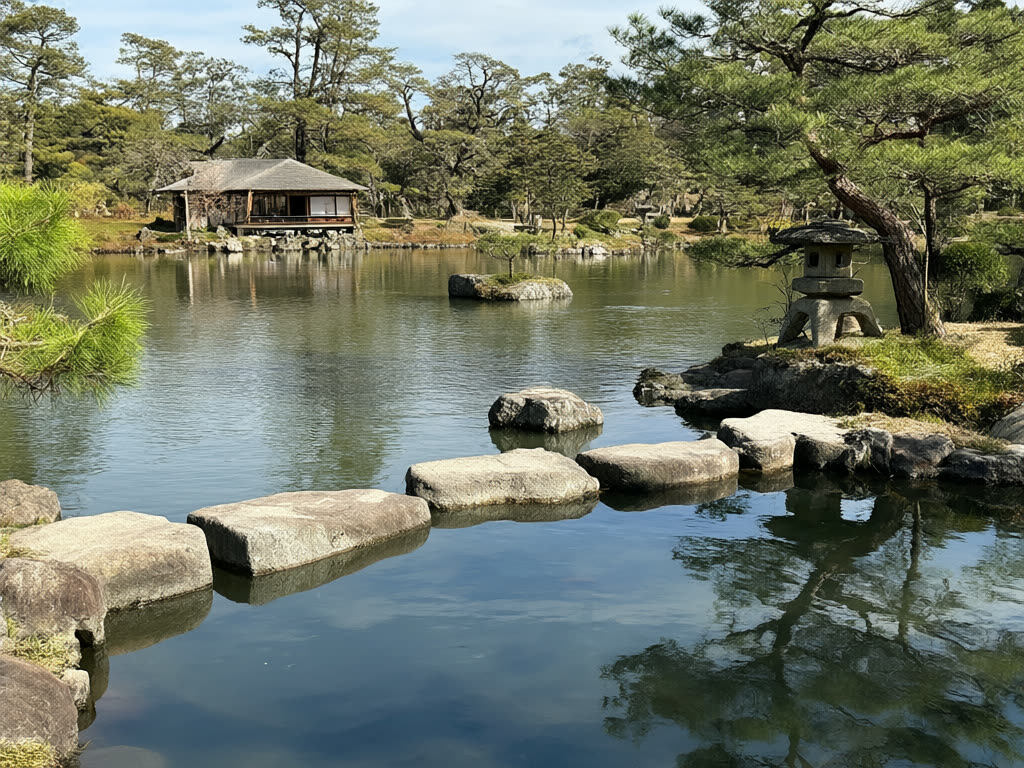
Order this: walk the riverside path, cross a few of the small bridges and stop at one of the cafés or shops along the bank. In late March and early April the whole stretch turns pink with cherry blossom and fills with people.
Price: free.
Queue / booking: none, except during blossom season, when it gets packed.
Getting there: about 10 minutes downhill from Daikanyama, or right by Nakameguro Station (Tokyu Toyoko and Tokyo Metro Hibiya lines).
Heads-up: the post noted that many shops along the river close around 7 to 8pm, so do this walk in the afternoon.
Worth a half day further out
These places came from one post each, so they score lower than the walks above, but each post was saved more than 2,600 times and every place checked out.
Wakasu Seaside Park (若洲海浜公園)
Why the AI picked it: from a post saved 2,924 times; a commenter said it is wide open and almost empty.
Order this: watch big ships pass on Tokyo Bay, walk under the Tokyo Gate Bridge and stay for the night view. On clear winter days you may see Mount Fuji.
Price: free (car parking is extra).
Queue / booking: none.
Getting there: from Shin-Kiba Station (JR Keiyo, Rinkai and Tokyo Metro Yurakucho lines), take the Toei bus Ki-11 towards Wakasu Campground.
Heads-up: there is an elevator up to the bridge walkway, but its days and hours vary by season and source; check before you go. The car park closes at night.
Maenohara Onsen Sayanoyudokoro (前野原温泉 さやの湯処)
Why the AI picked it: from a post saved 2,723 times; the writer called it one of the few places in Tokyo worth going back to, and loved the tempura platter.
Order this: soak in the natural hot spring baths, then eat a Japanese set meal looking out on the traditional garden.
Price: about ¥970 on weekdays and ¥1,300 at weekends and on holidays for adults (2026 listing). Towels are extra if you do not bring your own.
Queue / booking: walk-in. Open about 9am to midnight.
Getting there: in Itabashi, north Tokyo, a walk from Shimura-sakaue Station on the Toei Mita Line.
Heads-up: one commenter thought it was expensive. Tattoo rules are strict at most Japanese baths; ask at reception before you pay.
Nebukawa Station (根府川駅)
Why the AI picked it: from a post saved 2,657 times; the writer suggested it instead of crowded Kamakura and said there was almost nobody there.
Order this: ride the train, sit on the left side heading south-west from Odawara (the sea side), and get off at a tiny station whose platform looks straight out over Sagami Bay, next to a red iron railway bridge.
Price: about ¥3,600 return from Tokyo on regular trains.
Queue / booking: none.
Getting there: about 1.5 hours from Tokyo on the JR Tokaido Line, one stop past Odawara.
Heads-up: there is nothing at the station but vending machines, so bring food. A commenter pointed out that not every photo in the original post was of this station, so expect a quiet seaside platform, not a scenic park. See our day trips from Tokyo for more ideas nearby.
How to plan a route
- Only one free day? Do walk 1. Coffee in Sangenjaya at 9am, the gorilla, Chazawa-dori to Shimokitazawa by late morning, lunch and shops there, then the Odakyu Line to Gotokuji before it closes.
- Staying in Asakusa? Do walk 2 as a half day: book HATCOFFEE, eat your way down the side streets around Senso-ji, then walk along the Sumida River to Kuramae.
- Half a day near Shibuya? Walk 3 is one stop from Shibuya Station. Start in Daikanyama by 10am and finish by the river in the afternoon.
- Check hours. Small shops often close one weekday, and several listings above disagree. If one place is the reason for the trip, check its page first.
For more around these areas, see our Shibuya and Harajuku guide, Tokyo cafés, the Ueno and Yanaka walk, and Tokyo trains and IC cards for getting between them.
Small lanes, smaller signs: bring a live map
These walks run through back streets where shops hide on second floors and hours change by season. With an eSIM installed before you fly, you can follow the route on a map, book the latte art table, check today's closing time and translate a handwritten menu on the spot.
Japan eSIM from ¥480