Tokyo museums and teamLab: what to book, when, and how
Tokyo's museums are a good use of a rainy day, a hot afternoon or a whole trip, but several of the popular ones cannot be visited on impulse. teamLab and the Ghibli Museum sell out, and some tickets go on sale at a fixed time weeks in advance. This guide covers how each one works, so you can book the ones that need it before you fly and leave the rest for whenever suits you.
Prices and hours below were checked in October 2026, but they change by date and season. Always check the venue's official site before you go.
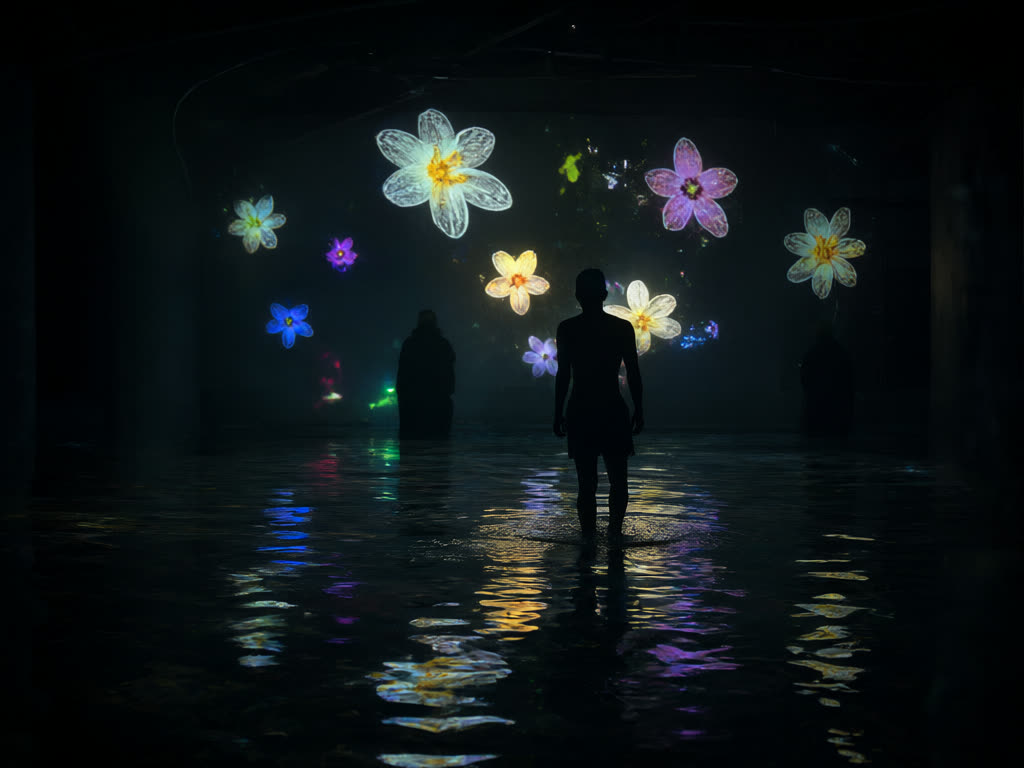
teamLab: two venues, two experiences
teamLab is a Japanese art collective that makes large digital installations: projected rooms, light, water and mirrors that react to visitors. In Tokyo there are two permanent venues, and they are quite different.
teamLab Planets (Toyosu)
Planets is a fixed route through a set of rooms, several of which you walk through barefoot in water. Lockers are provided for shoes and bags. The water can come up to the knee, so wear shorts or trousers that roll up well above it; shorts are available to borrow on site, but sorting this out on arrival slows you down. Mirrored floors are part of several rooms, so skirts are a poor choice. There is also an outdoor garden section you can visit in shoes.
The nearest station is Shin-Toyosu on the Yurikamome line, a couple of minutes' walk away; Toyosu Station on the Yurakucho subway line is about ten minutes on foot. It combines well with a morning at the Toyosu fish market, covered in our Tsukiji and Toyosu guide.
Planets was originally a temporary installation and has been extended; its most recently announced end date is the end of 2027. Allow around one and a half to two hours inside.
teamLab Borderless (Azabudai Hills)
Borderless reopened in the Azabudai Hills development in central Tokyo in 2024, after closing its original site in Odaiba. Unlike Planets, it has no set route: the artworks drift between connected rooms and you wander until you have seen enough. It is easy to miss whole spaces, so go slowly and look for doorways in the dark. Plan on two to three hours.
It is directly connected to Kamiyacho Station on the Hibiya Line, and close to Roppongi-itchome Station on the Namboku Line, which puts it a short walk from the Mori Art Museum and Tokyo Tower.
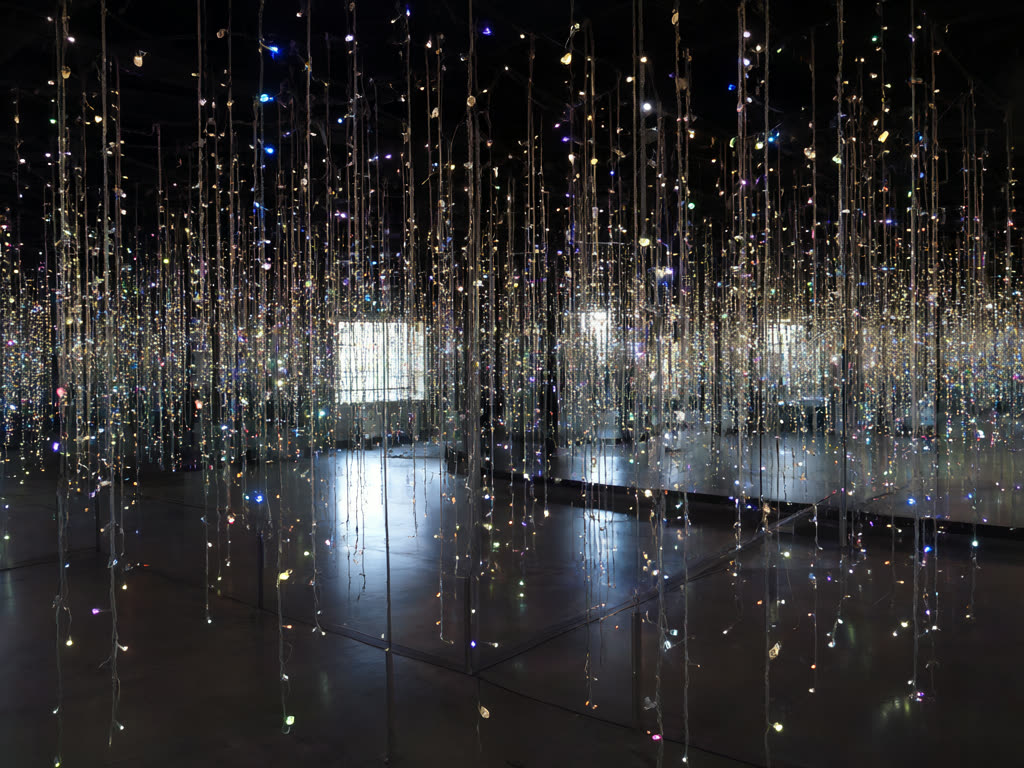
Booking teamLab
- Both venues sell timed-entry tickets for a specific date and slot, through the official teamLab site. Prices change by date, with weekends and holidays costing more; adult prices have generally been in the range of a few thousand yen.
- Popular slots, especially weekends, school holidays and late afternoons, sell out. Book one to two weeks ahead, longer in peak seasons.
- Tickets are usually not refundable or changeable once bought. Check your date before paying.
- Opening hours vary by season and day of the week, and Borderless has regular closing days. Check the calendar for your date.
If you can only do one: choose Planets for a more physical, memorable experience, Borderless if you prefer to explore at your own pace or are travelling with someone who does not want to walk in water.
Ghibli Museum (Mitaka)
The Ghibli Museum in western Tokyo is small and charming, with original sketches, recreated studio rooms, a short film that is only shown here, and a rooftop garden. It is also strict about tickets.
- Advance tickets only. Nothing is sold at the museum, and there are no same-day tickets.
- Release date. Tickets for each month go on sale at 10:00 Japan time on the 10th of the previous month, through Lawson Ticket, which has an English-language site for overseas buyers. The only other official route is a bus tour sold by Sunrise Tours (JTB). Popular dates can sell out within hours.
- Timed entry. Your ticket has a fixed date and entry time. You can stay as long as you like once inside, but you cannot arrive early or late.
- Name and ID. The person who bought the tickets should come with the group and bring their passport, as staff may check the name on the booking. Tickets cannot be transferred or resold, and the museum says resold tickets may be refused.
- Admission for adults has been ¥1,000, with lower prices for children.
Photography is not allowed inside the exhibition rooms. From Mitaka Station, a small community bus runs to the museum, or you can walk alongside a canal in about fifteen minutes. From Kichijoji, the walk through Inokashira Park takes a bit longer and is a nice way to arrive.
Ghibli Museum is not Ghibli Park. Ghibli Park is a separate attraction near Nagoya, with its own tickets. Check that you are booking the Mitaka museum.
Mori Art Museum and Tokyo City View (Roppongi)
The Mori Art Museum sits on the 53rd floor of Roppongi Hills and shows contemporary art in changing exhibitions, usually from both Japanese and international artists. As of October 2026 it is showing a solo exhibition by Mariko Mori.
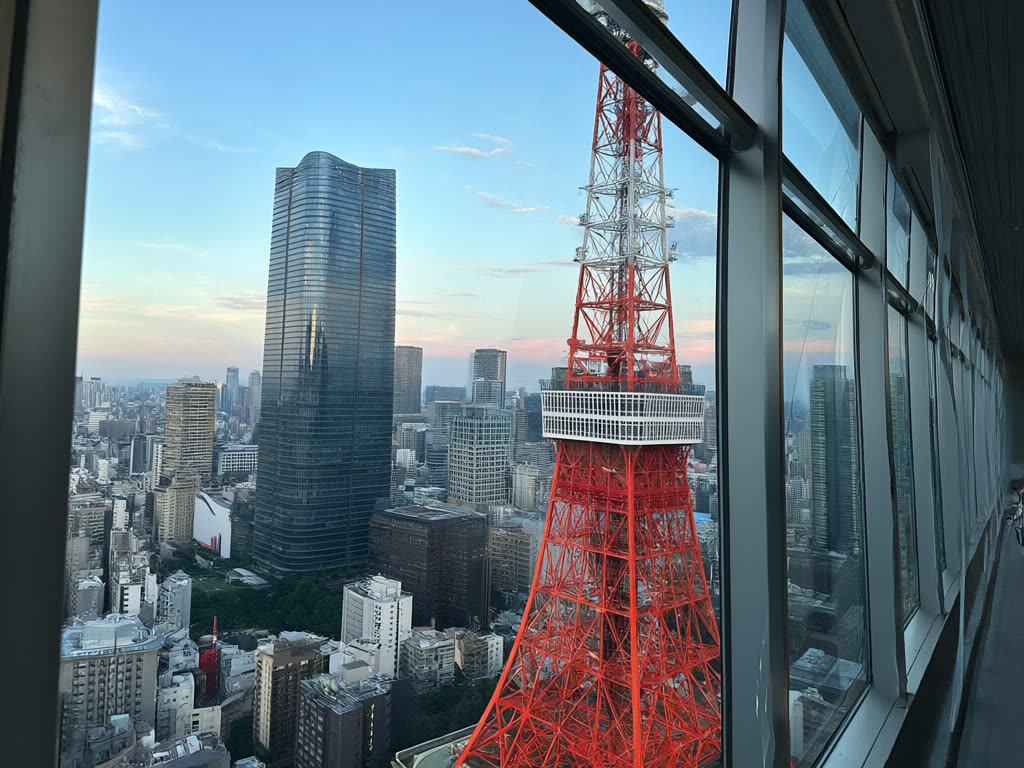
It stays open late on most days, which makes it a good evening option, but closes earlier on Tuesdays. Your ticket can include, or be combined with, Tokyo City View, the indoor observation deck on the floor below, with a wide view of Tokyo Tower. Online tickets are slightly cheaper than at the counter.
Roppongi Hills is directly connected to Roppongi Station on the Hibiya Line. Check the museum site for current exhibitions, as there are short closures between shows.
Edo-Tokyo Museum (Ryogoku), reopened
After closing in 2022 for a major renovation, the Edo-Tokyo Museum reopened on 31 March 2026. It tells the story of the city from the Edo period to modern Tokyo, with life-size reconstructions such as the front of an Edo-period kabuki theatre, and detailed scale models of streets, bridges and buildings. It is one of the best places to understand how the city you are walking through came to be.
The museum is next to the Ryogoku Kokugikan sumo hall, a short walk from JR Ryogoku Station, and about 15 minutes by train from Asakusa. It is normally closed on Mondays. Admission for the permanent galleries is modest, with special exhibitions priced separately; check the official site, as fees were revised at the reopening.
The national museums in Ueno
Ueno Park has the densest group of major museums in the city, all within a few minutes' walk of each other.
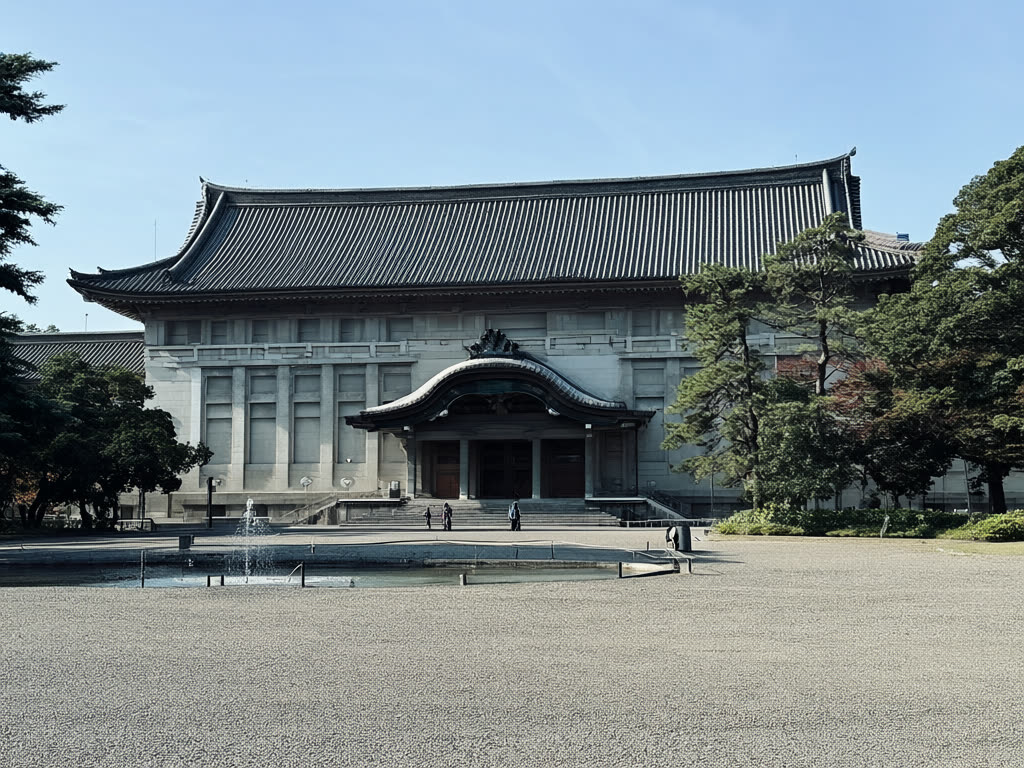
Tokyo National Museum holds the largest collection of Japanese art and archaeology in the country: samurai armour, ceramics, scrolls, Buddhist sculpture. The main Honkan building alone needs two hours. It is usually closed on Mondays and sometimes opens late on Fridays and Saturdays. Special exhibitions cost extra on top of the general admission.
The National Museum of Western Art, in a building designed by Le Corbusier that is listed as a World Heritage site, and the National Museum of Nature and Science are next door.
Our Ueno and Yanaka guide puts these into a full day with the park and the old streets nearby.
Planning tips
- Book these before you fly: teamLab and the Ghibli Museum. Everything else can usually be bought on the day or the day before.
- Watch for Monday closures. Many Tokyo museums close on Mondays, and on the following day when Monday is a public holiday.
- Use evenings. Mori Art Museum, Tokyo City View and teamLab are open into the evening on most days, which frees your daylight hours for walking around the city.
- Group by area. Pair teamLab Planets with Toyosu, Borderless with Roppongi, and the Edo-Tokyo Museum with Asakusa, which is a short ride away. Our Asakusa one-day guide and three-day Tokyo itinerary show how.
- Getting there. All of these are on the train network and covered by an IC card; see our trains and IC card guide.
Your tickets live on your phone
Most of these venues sell timed tickets online, send them as QR codes, and release slots on a set day and hour. An eSIM installed before you fly means you can book, show your ticket at the gate and find the entrance without looking for Wi-Fi.
Japan eSIM from ¥480