Kichijoji and Mitaka: Inokashira Park, Harmonica Yokocho and the Ghibli Museum in one day
Kichijoji is about 15 minutes west of Shinjuku on the train, and it is the neighbourhood many Tokyo residents say they would most like to live in. It has a big park with a pond, a covered shopping street, a tangle of tiny bars by the station and an easy walk to the Ghibli Museum in next-door Mitaka. It feels like a town rather than a tourist district, which is the point of going.
Getting there
- JR Chuo Line from Shinjuku to Kichijoji: about 15 minutes on the Rapid service. The next stop west is Mitaka, the closest station to the Ghibli Museum. Special Rapid trains skip Kichijoji but do stop at Mitaka, so check the train type on the platform screen; the slower yellow Chuo-Sobu Line stops everywhere.
- Keio Inokashira Line from Shibuya to Kichijoji: about 20 to 25 minutes, the whole length of the line. The second-to-last stop, Inokashira-koen, drops you right at the park.
Suica and Pasmo work on both lines; see Tokyo trains and IC cards. A good loop is to arrive at Kichijoji, walk through the park to the museum, and take the train home from Mitaka.
Inokashira Park
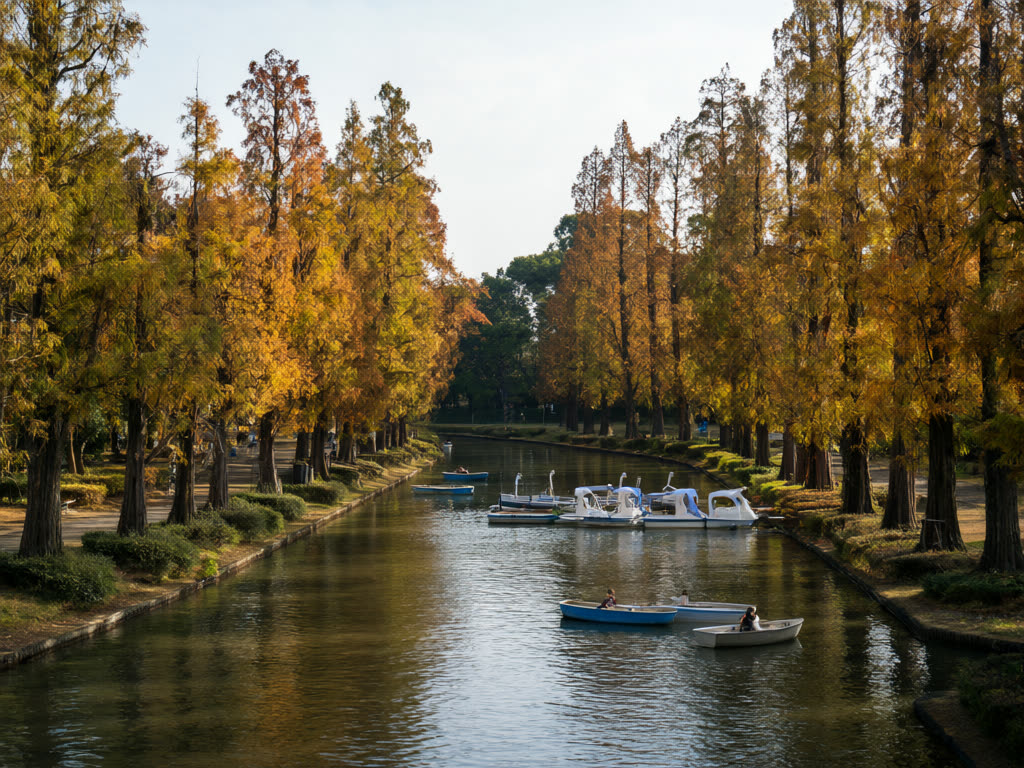
Inokashira Park starts about five minutes' walk south of Kichijoji Station, down a short lane of cafes and food stalls from the Park Exit. It is built around a long, narrow pond that was once one of the sources of Tokyo's water supply, surrounded by old trees and walking paths. There is no entry fee.
Boats on the pond
The boat house rents three kinds of boat: rowing boats, pedal boats and swan-shaped pedal boats. Prices have long been in the range of several hundred yen per half hour or hour, with the swans costing the most. Hours change by season and the boats stop in bad weather, so check at the boat house or on the Tokyo Metropolitan Park site.
There is a well-known local story that couples who ride a boat here together will break up, because the goddess at the shrine on the pond is said to be jealous. Nobody seems to take it seriously; the boats are full of couples every weekend.
Benzaiten shrine and the zoo
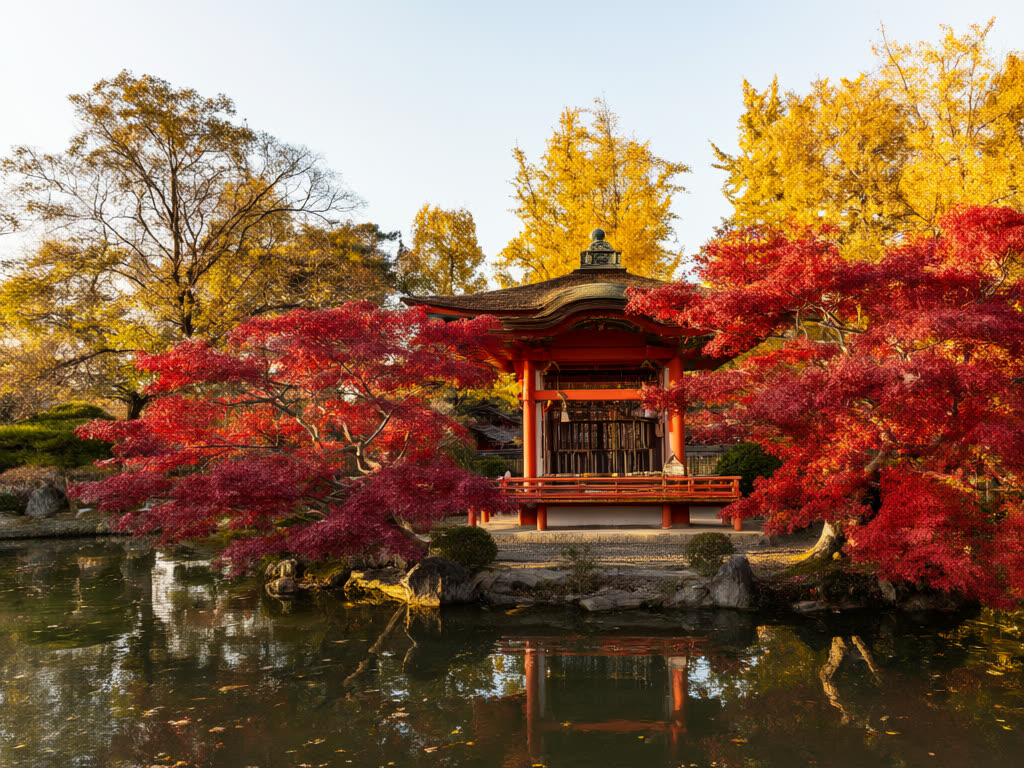
At the western end of the pond is a small red Benzaiten hall, the shrine behind that story. It is worth the short walk for the view back along the water.
The Inokashira Park Zoo (Inokashira Shizen Bunkaen) is a small, old-fashioned zoo split into two sections: one on the pond side with water birds and an aquarium, and a larger animal section across the road. In 2025 adult admission was ¥400, and it closes on Mondays (or the next day when Monday is a holiday). Check the official Tokyo Zoo Net site for current details.
Autumn leaves
The trees around the pond turn red, orange and gold from mid-November, and the colours usually peak from late November to early December. Maples, ginkgo and tall dawn redwoods stand right at the water's edge, so the reflections on a calm morning are the reason to come early. In spring the same banks are one of Tokyo's busiest cherry blossom spots. For more places to see the colours, see our Tokyo autumn leaves guide.
The Ghibli Museum, Mitaka
At the south-western edge of the park, about 15 to 20 minutes' walk from the pond, is the Ghibli Museum. It is small, and it is not a theme park. It shows how animated films are made, with recreated work rooms full of sketches, a short original film you can only see here, a rooftop garden with the robot soldier from Castle in the Sky, and a cafe called the Straw Hat Cafe. Photos are not allowed inside the building.
The ticket rules are strict, and they are the main thing to plan around:
- Advance reservation only. Tickets are not sold at the museum, and you cannot book or pay there.
- Sale dates. Tickets for the following month go on sale at 10:00 Japan time on the 10th of each month. Popular dates sell out quickly, so be ready at that time.
- Where to buy. From overseas, use the Lawson Ticket site linked from the museum's official English ticket page, or the bus tour sold through the operator listed on the same page. Go through the official site, not a search result: the museum says it may refuse tickets bought from resellers.
- Timed entry. Each ticket has a date and an entry time. There is no set exit time, so you can stay until closing.
- Price. ¥1,000 for adults 19 and over, with lower prices for younger visitors. Check the official site in case this changes.
- Closed days. The museum is usually closed on Tuesdays, over New Year and during maintenance periods. Hours are generally 10:00 to 18:00.
Ghibli Museum and Ghibli Park are different places. Ghibli Park is near Nagoya, hours away. Make sure the page you are buying from says Mitaka. Our Tokyo museums and teamLab guide covers this and other timed-ticket museums.
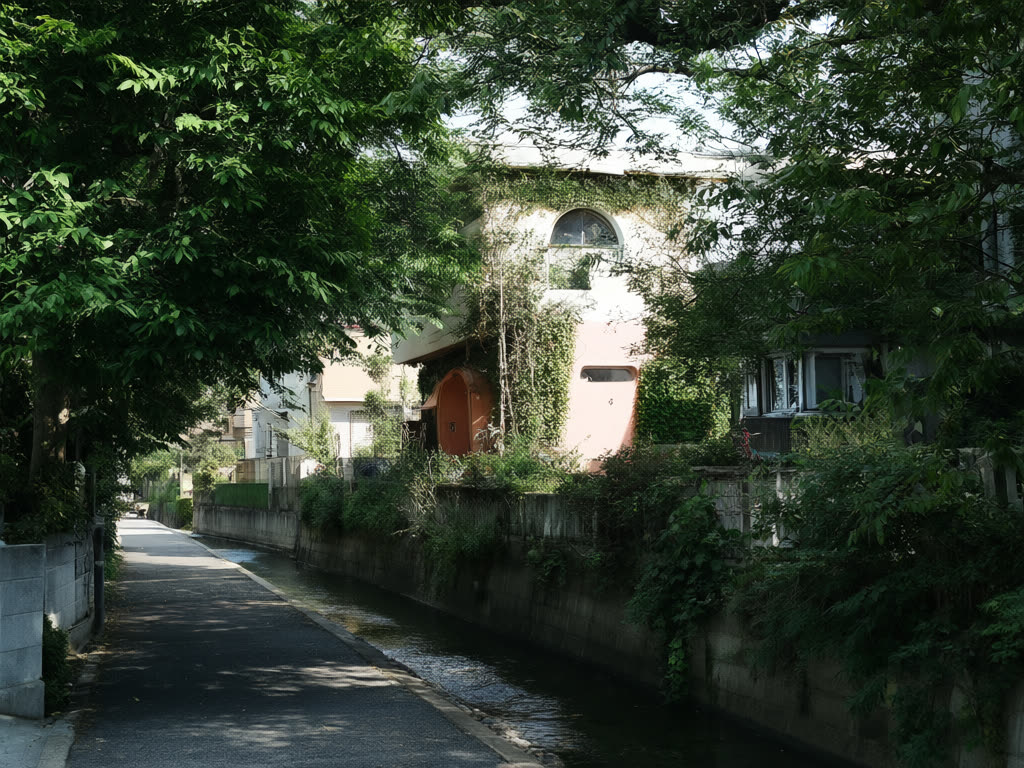
To get there without walking, a small community bus runs from the south exit of Mitaka Station about every 15 minutes during opening hours (adult fare ¥230 at the time of writing). Walking from Mitaka Station along the Tamagawa Josui canal takes about 15 to 20 minutes.
Eating in Kichijoji
Satou: the menchi-katsu queue
Kichijoji Satou, a butcher about a minute from the station's north exit, is known for its round menchi-katsu, a deep-fried patty of minced beef with onion. There is nearly always a line outside, and it moves quickly. In 2025 the price was ¥350 each, a little cheaper if you buy five or more. They come out very hot and very juicy, so let one cool before biting in. Upstairs, the same family runs a small steak restaurant with set lunches from around ¥2,000, walk-in only at lunch.
Ozasa: one tiny shop, two sweets
Right next door, Ozasa is a one-room wagashi shop that has sold only two things since the 1950s: yokan (a firm bean jelly) and monaka (bean paste in thin wafer shells). The yokan is made in very small quantities each day, and people queue before dawn for numbered tickets, so most visitors settle for the monaka, which is easy to buy and inexpensive. Ozasa closes on Tuesdays.
Iseya: yakitori by the park
Iseya is a yakitori shop that has been grilling chicken over charcoal since the late 1920s. Its park branch, on the lane down to Inokashira Park, opens from midday, which makes it one of the few places where a mid-afternoon beer and skewers is completely normal. It is cheap, smoky and loud. The park branch closes on Mondays; hours vary by branch, so check before you go.
Harmonica Yokocho
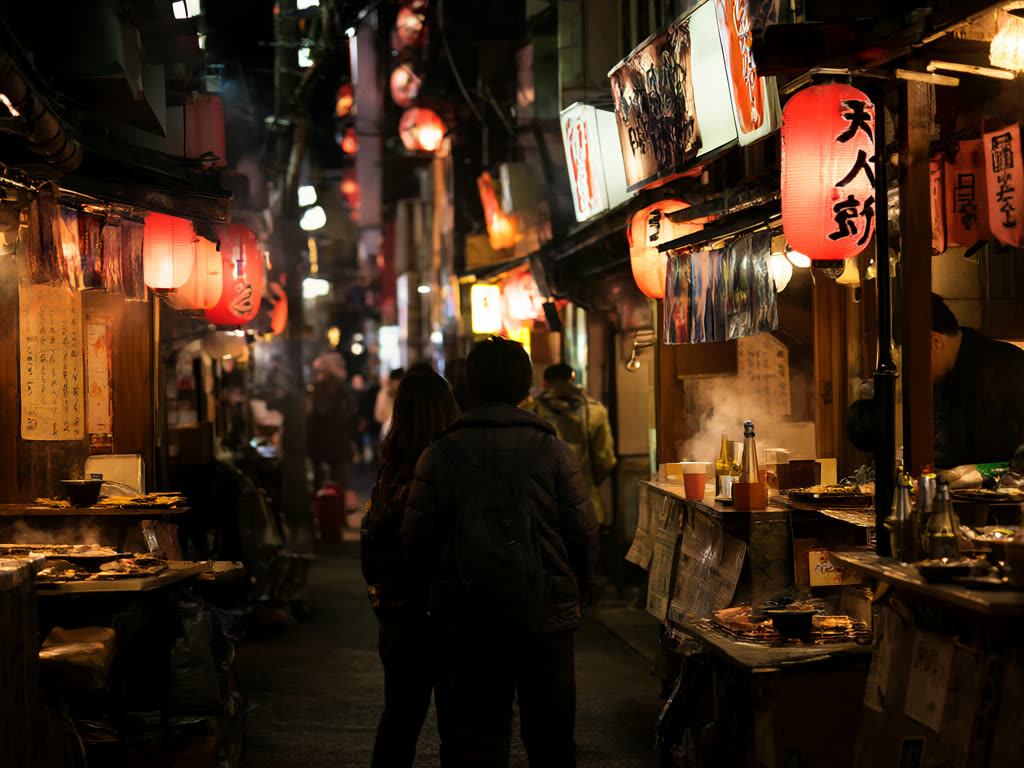
Right outside the north exit of Kichijoji Station is Harmonica Yokocho, a block of narrow alleys that grew out of a postwar market. The name comes from the way the tiny shops sit side by side like the holes of a harmonica. By day it is fish shops, a few old sweet and grocery stalls, and some cafes. After dark it fills with standing bars, yakitori counters and small izakaya with five to ten seats each.
Look for Tetchan, a yakitori bar whose interior was redesigned by the architect Kengo Kuma, with a second floor wrapped in recycled cable. Most places here are casual, cost roughly ¥2,000 to ¥5,000 a head, and many only take cash. Go before 19:00 on Fridays and Saturdays or expect to wait. For how this kind of alley works, see our guide to izakaya and yokocho.
Sun Road and around
Sun Road is the long covered shopping street that starts opposite the north exit and runs north. It is everyday shopping rather than souvenir shopping: drugstores, cheap clothes, bakeries, a 100-yen shop and a few old family businesses. The streets either side, especially Nakamichi-dori to the west, are where you find vintage clothing, small homeware shops, record stores and independent coffee roasters. If you are looking for a quieter alternative to Harajuku, this is it.
A simple plan
- Morning: Ghibli Museum on an early entry time, coming in from Mitaka Station.
- Midday: walk through the park to the pond; take a boat if the weather is good.
- Afternoon: Iseya for skewers, then up to Satou and Ozasa, and browse Sun Road and Nakamichi-dori.
- Evening: Harmonica Yokocho, then the Chuo Line back to Shinjuku. Our Shinjuku night guide picks up from there.
If you have a second free day, Tokyo day trips covers Kamakura, Hakone and more.
Ghibli tickets are bought online, on the dot
Ghibli Museum tickets go on sale online at a set hour and are gone fast, the museum shows your ticket on screen, and Harmonica Yokocho is a maze where map pins save you twenty minutes. Install your eSIM before you fly and you can book, find and pay from your phone all day.
Japan eSIM from ¥480